A car that will not start in your driveway is frustrating. A van that loses power in peak-hour traffic, or a motorcycle that stops on a dark outer-suburban road, needs a faster and more careful response. Knowing how to arrange emergency towing before you make the call helps keep you safe, reduces delays and ensures the right truck is sent for your vehicle.
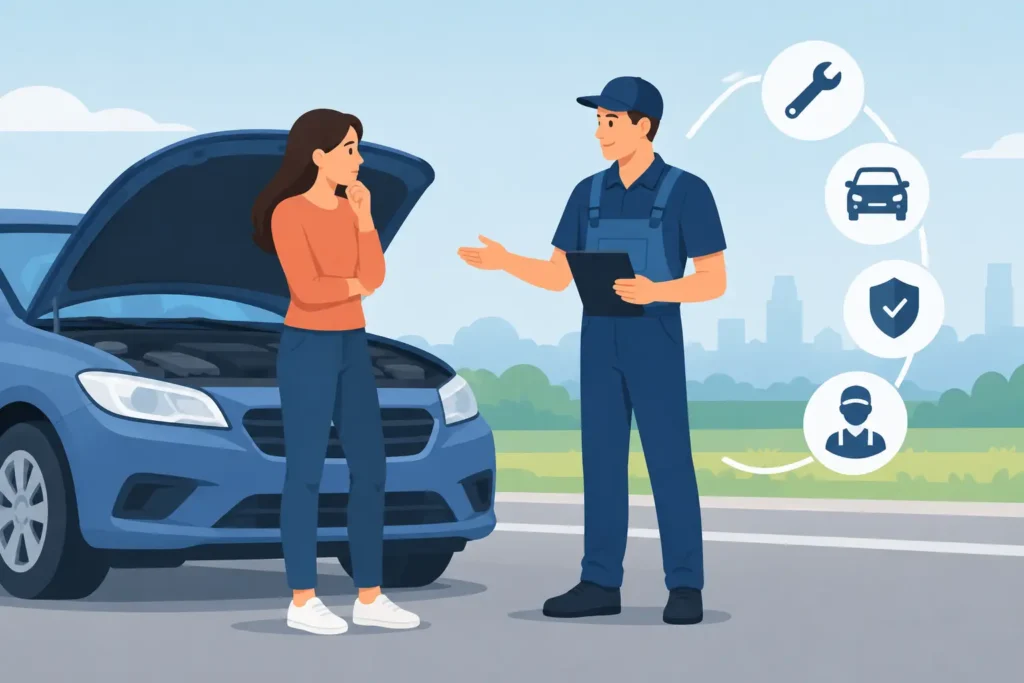
For a mechanical breakdown, the goal is simple: get yourself out of danger, give the towing dispatcher clear details and have the vehicle transported carefully to the right destination. You do not need to diagnose the fault perfectly. You do need to explain what has happened and where you are.
Start with safety, not the phone call
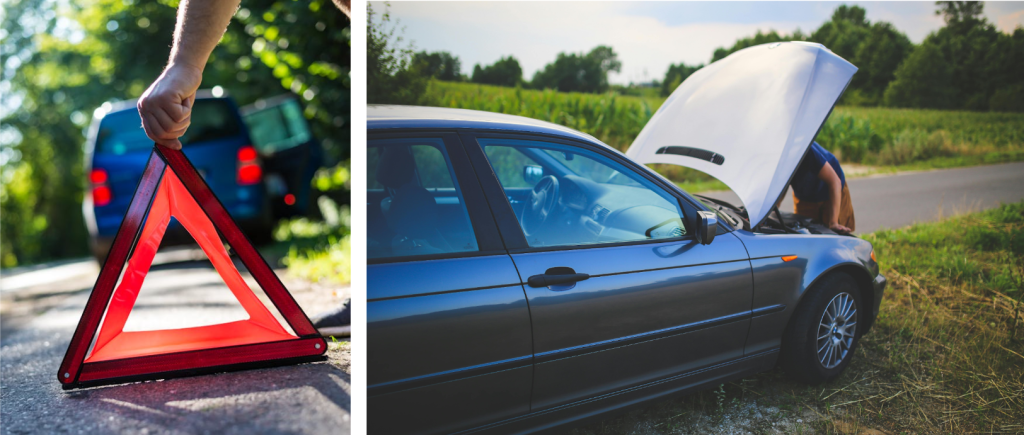
If your vehicle has stopped in a live traffic lane, near a blind corner, on a freeway shoulder or anywhere drivers may not see you in time, focus on getting to a safer position if it is safe to do so. Switch on your hazard lights. If the vehicle can be moved without creating more risk, pull as far from moving traffic as possible.
Move passengers away from traffic and behind a barrier where available. Do not stand between your vehicle and passing cars, and do not attempt roadside repairs where traffic is close. At night, make yourself visible, but avoid walking along high-speed roads unless there is no safer option.
Call emergency services first if anyone is injured, the vehicle is creating an immediate hazard, there is fire or smoke, or you are in an unsafe location. A towing company can arrange transport for a breakdown, but it should not replace emergency assistance where lives or road safety are at risk.
If you are safely parked at home, at work or in a car park, the urgency is different. You can take a moment to check your preferred mechanic’s address, remove valuable items from view and make sure you have access to the vehicle keys.
How to arrange emergency towing without delays
When you call for emergency towing, have your location ready before discussing the vehicle fault. A street address is ideal. If you are on a main road, give the nearest cross street, suburb, direction of travel and any obvious landmark, such as a service station, railway overpass or shopping centre entrance.
On a freeway or major arterial road, tell dispatch the road name, which direction you are travelling and the nearest exit or kilometre marker. “Near the city” is not enough for a truck to find you quickly. A clear location is usually the biggest factor in getting an accurate arrival estimate.
Next, describe the vehicle. Give the make, model, registration, colour and whether it is a car, ute, van, motorcycle, light truck, hybrid or EV. Mention any modifications, very low clearance, locked wheels, flat tyres, steering issues or damage that could affect loading. These details help the dispatcher allocate suitable equipment rather than sending a truck that is not set up for the job.
Then explain the problem in plain language. It may be a dead battery, overheating, a non-start, warning lights, a flat tyre without a usable spare, a transmission issue or loss of power. Do not keep trying to start an overheating or badly malfunctioning vehicle just to provide a better diagnosis. The tow operator needs an honest description, not a workshop report.
Finally, confirm the destination. This could be your home, a trusted mechanic, dealership, tyre shop or another safe location. If the workshop is closed, ask whether it accepts after-hours vehicle drop-offs and where it wants the keys left. That one check can prevent the tow truck arriving at a locked gate with nowhere appropriate to leave the vehicle.
Ask for the price and ETA before dispatch
A straightforward towing booking should come with a clear price and an estimated arrival time before the truck is sent. Ask whether the quote includes loading, the travel distance, tolls if applicable, after-hours charges and any extra work required for difficult access or non-rolling vehicles.
The cheapest figure is not always the best decision. A basic quote may not cover a long tow, special loading, a motorcycle, an EV or a vehicle that cannot be placed in neutral. On the other hand, you should not be left guessing what the final invoice will look like. Ask for the price to be confirmed in writing by text or message where possible.
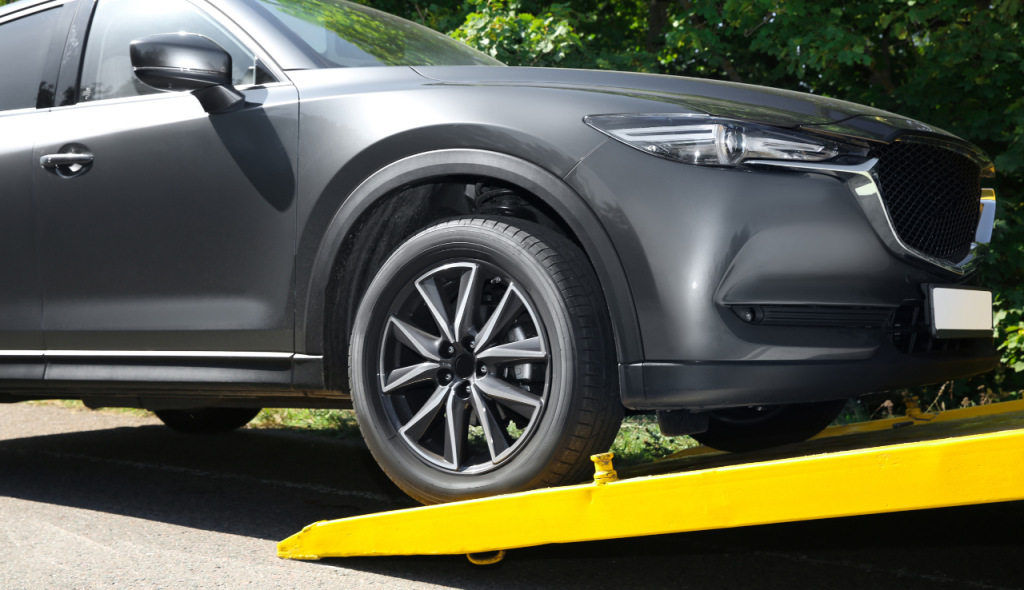
It is also reasonable to ask what type of truck will collect your vehicle. Flatbed towing is often the preferred option for EVs, hybrids, performance cars, low vehicles, motorcycles and vehicles with mechanical faults that make conventional towing unsuitable. The right method depends on the vehicle and the fault, which is why accurate information at the start matters.
Get the vehicle ready for collection
Once towing is arranged, you can make the handover quicker without putting yourself at risk. Keep your mobile on and listen for calls or messages from the driver. If the vehicle is in a secure location, stay nearby or confirm how the driver can access it.
Take your personal belongings from the cabin, glovebox and boot, especially valuables, work equipment, garage remotes, documents and medication. Photograph the vehicle from a few angles if you are concerned about its condition, particularly if it is a specialty, prestige or modified vehicle. This is not about assuming poor service. It is a sensible record to have whenever a vehicle is being transported.
Have the keys ready and make sure the tow operator knows about an immobiliser, wheel lock key, electric handbrake or any issue that prevents the car from rolling normally. For EVs and hybrids, tell the dispatcher whether the vehicle has entered a reduced-power mode, has a battery warning or has been involved in water exposure. These vehicles may need specific handling and should not be treated as a routine tow without the right information.
If you cannot stay with the vehicle, confirm the collection authority, destination and key handover process in advance. Never leave keys hidden under a mat or wheel without explicit instructions from the towing provider and permission from the destination.
Choose a breakdown towing specialist
Breakdown towing and accident recovery are not the same job. After an accident, scene management, insurer requirements and vehicle damage can complicate collection. For a non-start, mechanical failure, flat battery, overheating problem or drivability issue, you want a provider focused on getting disabled vehicles safely from point A to point B.
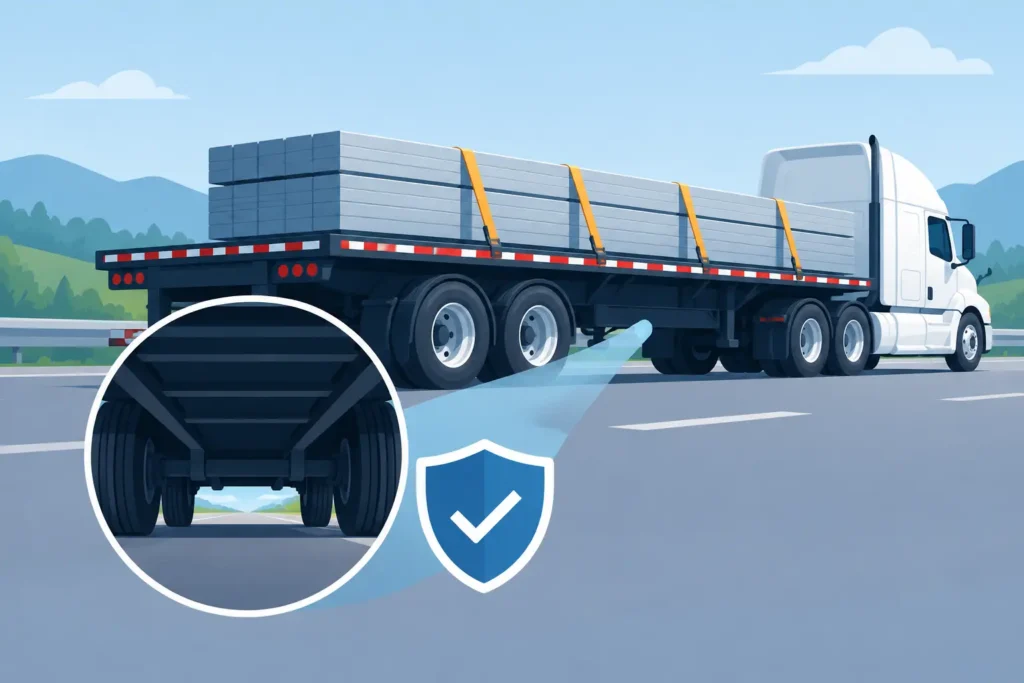
Look for 24/7 availability, clear communication, modern equipment and a willingness to ask the right questions before dispatch. A good operator should explain the likely arrival window, confirm where the vehicle is going and take care with loading and tie-downs. That care is especially relevant for motorcycles, EVs, lowered cars, performance vehicles and commercial vans carrying tools or stock.
For Greater Melbourne drivers, Onigo Towing focuses on breakdown transport and provides upfront pricing before dispatch. The right service is not just the first truck available. It is the one that understands your vehicle, gives you a clear plan and keeps the process calm when your day has already gone off track.
What to do while you wait
Stay somewhere safe and keep your phone charged if possible. If you are waiting near the vehicle, watch for the tow truck but do not step into traffic to flag it down. Let the driver manage the approach and loading area.
Avoid accepting unsolicited offers from strangers who arrive before your booked provider, particularly if they pressure you to sign paperwork or cannot clearly explain the price and destination. Confirm the company name and driver details against the booking you made. If anything does not match, call the towing company before authorising collection.
When the truck arrives, point out any relevant issue with the vehicle and confirm the destination one more time. Ask for a receipt or booking confirmation, including the agreed price. If the vehicle is going to a workshop, contact the workshop once the tow is underway so they know it is coming.
A breakdown rarely happens at a convenient time, but the next step does not need to be confusing. Make safety your first priority, give clear information and choose a towing provider that treats careful transport and honest communication as part of the job.