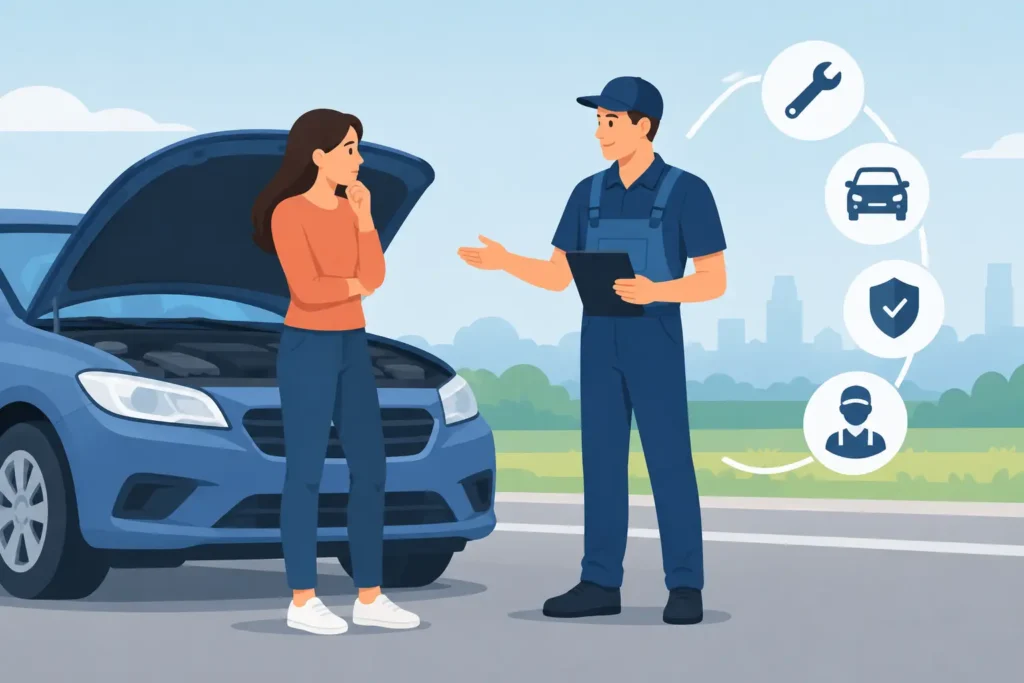
You turn the key or press the start button, and nothing happens. Now the practical question matters more than the mechanical one – can a non-starting car be towed? In most cases, yes. But how it should be towed depends on why it will not start, where it is parked, and what type of vehicle you drive.
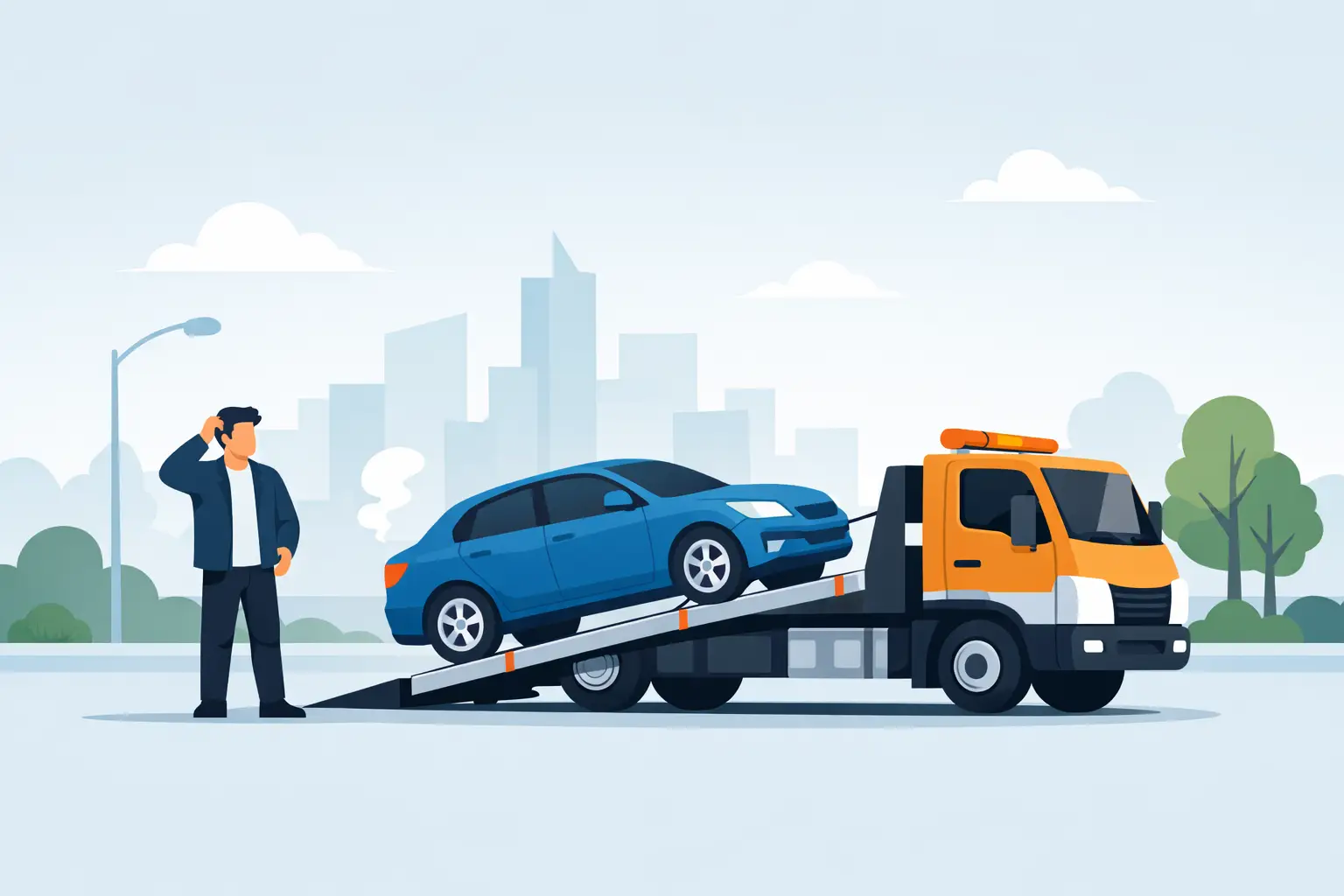
That distinction matters because the wrong towing method can turn a simple breakdown into a gearbox, driveline or bodywork problem. If your car is stranded in a Melbourne car park, stuck at home, or broken down roadside, the safest next step is usually professional breakdown towing with the right equipment, not trying to improvise a quick pull.
Can a non-starting car be towed safely?
A non-starting car can usually be towed safely, but not every car should be towed the same way. Some vehicles can be moved short distances under controlled conditions, while others really need a flatbed from the start. Automatic transmissions, all-wheel drive systems, EVs and lowered vehicles all need extra care.
The key issue is that a car that will not start may also have no power steering, reduced braking assistance, an engaged electronic park brake, a locked steering column, or a transmission that cannot be shifted properly. So while the answer is yes, the real question is what method avoids more damage.
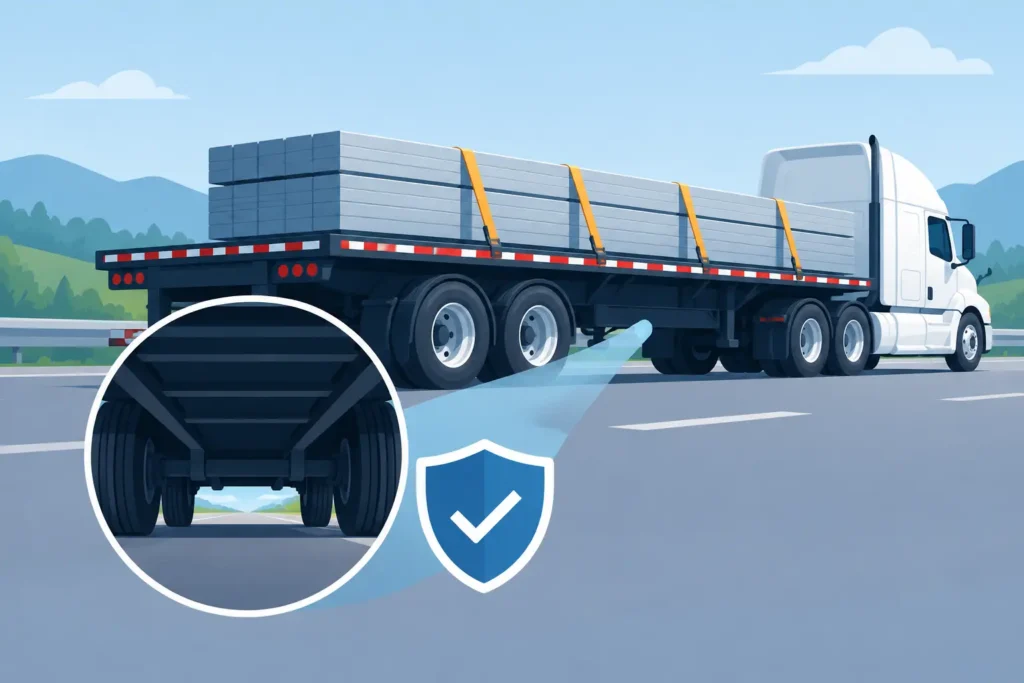
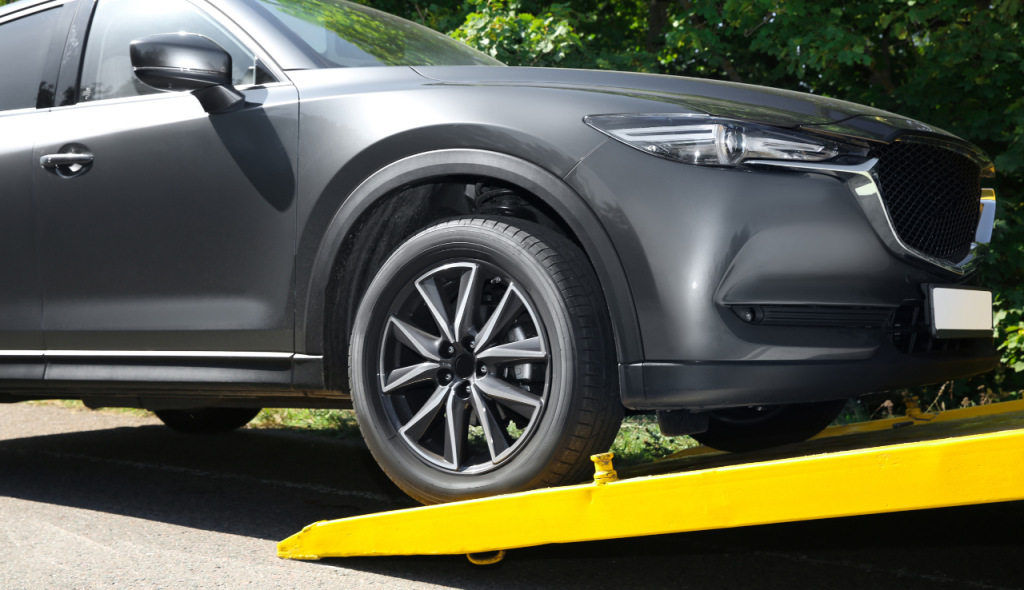
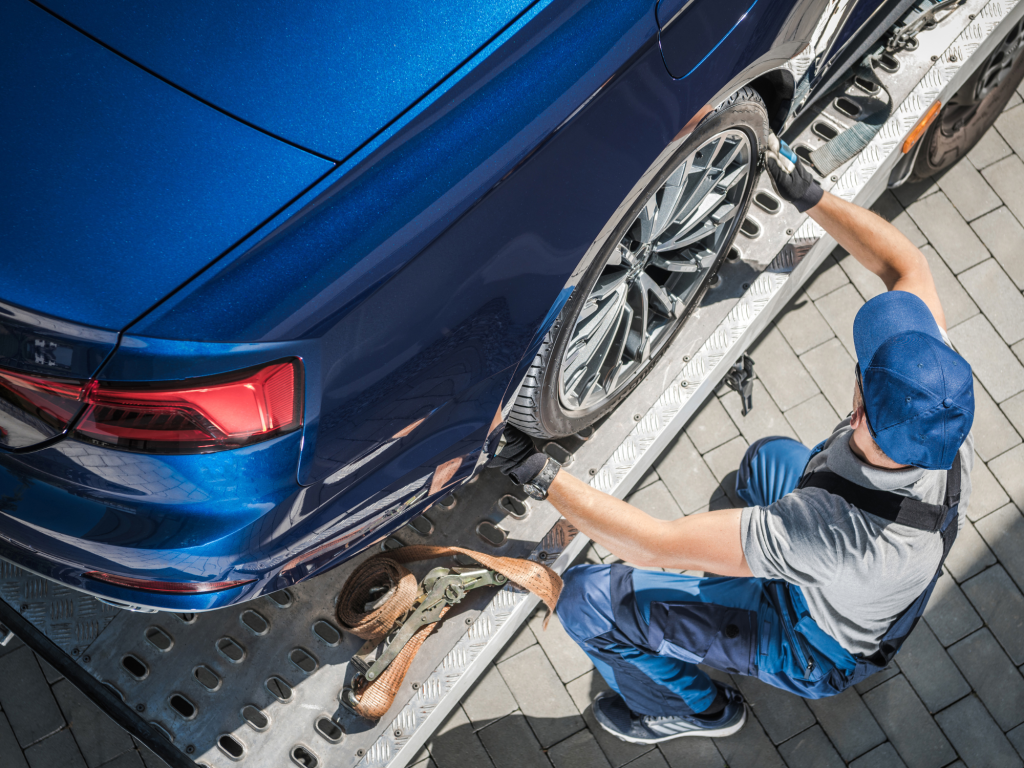
For breakdown jobs, a flatbed is generally the safest option. It keeps all wheels off the road, reduces risk to the transmission and tyres, and gives more control during loading and unloading. That is especially important if the car has suffered a battery failure, starter issue, engine fault, gearbox problem or electrical fault and you do not yet know the full cause.
What affects how a non-starting car should be towed?
The first factor is the type of fault. If the problem is just a flat battery, the car may still roll freely once it is in neutral. If it has a gearbox problem, seized engine, wheel damage or locked brakes, moving it becomes more complicated. A non-start condition does not always mean a simple electrical issue.
The second factor is drivetrain. Front-wheel drive, rear-wheel drive and all-wheel drive vehicles each have different towing considerations. Many modern automatics should not be towed with the drive wheels on the road for any meaningful distance, because the internal components may not be lubricated properly when the engine is off.
The third factor is the vehicle itself. A standard hatchback is one thing. A motorcycle, van, ute, hybrid, EV or performance car can require a different loading angle, tie-down method or wheel-lift approach before it even reaches the tray.
Then there is the location. A car stuck in an underground car park, a tight suburban driveway or on a busy roadside may need specialised handling just to get it into position safely.
When flatbed towing is the better choice
If there is any uncertainty, flatbed towing is usually the better choice. It removes a lot of risk, especially for newer vehicles with sensitive drivetrains and electronics.
Flatbeds are also preferred when the car cannot be put in neutral, the steering is locked, a wheel is damaged, or the vehicle sits low to the ground. The same applies to EVs and hybrids, where manufacturer handling requirements can be stricter than with older petrol vehicles.
For owners of prestige, modified or performance vehicles, flatbed towing is not just about convenience. It is about reducing scrape risk, avoiding underbody contact and making sure tie-down points are used correctly. Careful loading matters just as much as the actual transport.
Can you tow a non-starting automatic car?
This is where many people get caught out. Yes, a non-starting automatic car can be towed, but it should not automatically be treated like an older manual vehicle. If the engine is off, towing an automatic with the drive wheels on the road can damage the transmission, sometimes even over a short distance.
Some automatics can be shifted into neutral with a manual release, but that does not mean they are safe for conventional towing. It only means they can be moved for loading. There is a big difference between rolling a vehicle onto a tray and towing it along the road on its own wheels.
If you are not sure what your transmission allows, it is better not to guess. A proper operator will usually choose the method that protects the vehicle first, even if it takes a little more time to set up.
What about EVs, hybrids and specialty vehicles?
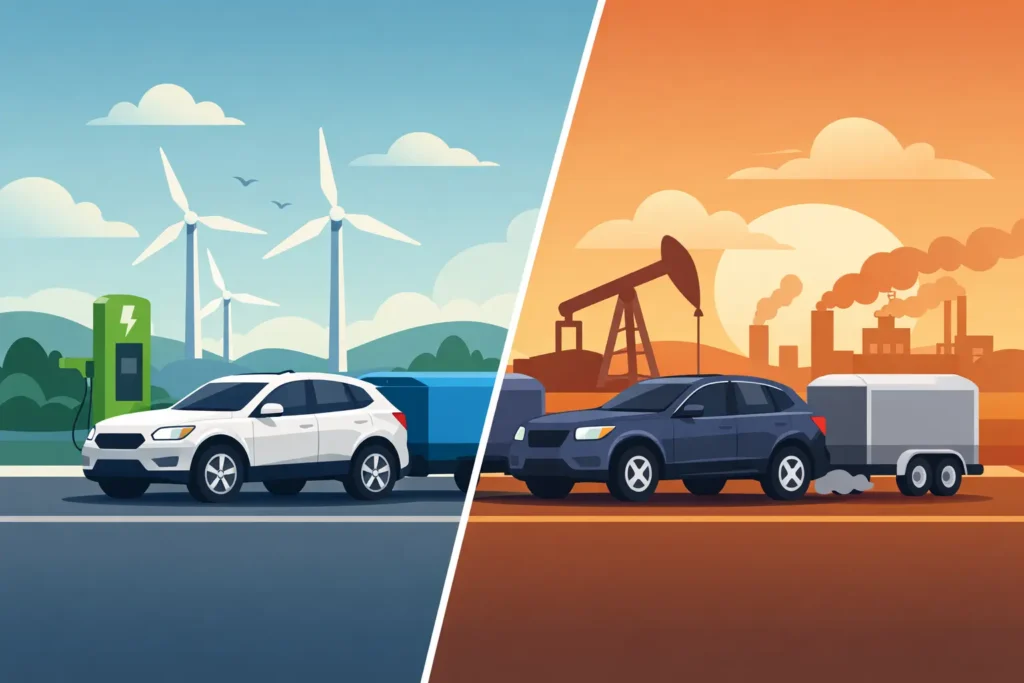
These vehicles need extra caution. Many EVs should not be towed with any driven wheels on the road because the electric motor system can be affected. Hybrids also have model-specific requirements, and some have electronic systems that make neutral selection less straightforward if the battery is flat.
Specialty vehicles bring their own issues. Lowered cars may need soft straps, skates or careful ramp placement. Motorcycles need correct restraint points. Vans and light trucks need suitable weight handling and tray capacity. The safe answer is still yes, they can be towed, but only if the operator treats the breakdown as more than a generic tow.
That is why a breakdown-focused towing service often makes a difference. The equipment matters, but so does the judgement behind it.
What you should do before the tow truck arrives
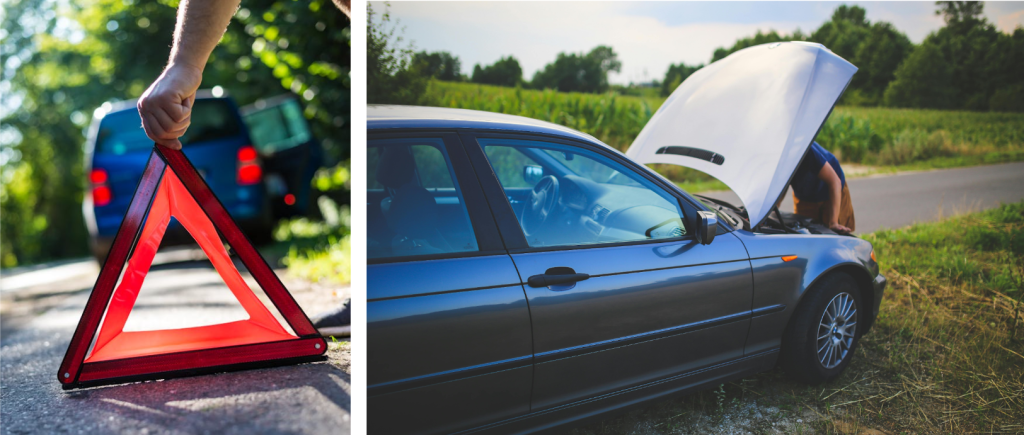
If your car will not start, your first priority is safety. If you are roadside, move yourself and any passengers clear of traffic if it is safe to do so. Turn on your hazard lights. If the car is in a dangerous position and cannot be moved, stay well clear and wait for instructions.
When you call for a tow, be ready to explain what the car is doing. Is it completely dead? Does it crank but not fire? Is the steering locked? Can it go into neutral? Is it in a basement, a narrow lane or a shopping centre car park? These details help determine the right truck and loading plan.
It also helps to mention if the vehicle is automatic, all-wheel drive, electric, hybrid, lowered, oversized or carrying tools or goods. Good dispatch starts with accurate information, and that can save time on arrival.
If you can access the car safely, remove valuables and make sure you know where you want it taken – whether that is your mechanic, your home, a dealership or another secure location.
Can a non-starting car be towed from a car park or home?
Yes, but access often decides how straightforward the job will be. A car in a standard driveway is usually simple. A vehicle boxed into a tight underground car park, parked nose-first against a wall, or sitting with flat tyres can require more setup.
This is where experience shows. Tight access towing is not just about getting the vehicle out. It is about avoiding scrapes to bumpers, wheels, splitters, doors and surrounding property while doing it. Rushing a non-start ute in a confined area is how small breakdowns become expensive ones.
In suburban Melbourne, many callouts are not dramatic roadside incidents. They are everyday non-start situations at home, at work or in a local car park. The service should still be clear, careful and prompt.
How much should you expect to pay?
Pricing depends on distance, vehicle type, access difficulty and whether special handling is needed. A straightforward non-start tow from home to a nearby workshop will usually cost less than a basement extraction or a long-distance move across Melbourne.
The important part is getting the price and ETA upfront before dispatch. When your car is not starting, the last thing you need is vague promises or surprise charges after loading. Clear communication matters just as much as the truck itself.
If a provider cannot explain how they plan to move your vehicle, or they seem casual about the type of car you have, that is worth paying attention to. A proper breakdown tow should feel organised from the first call.
A non-starting car can almost always be towed, but the safest method depends on the vehicle and the fault. If you are stranded, the smartest move is not to force it, drag it or guess. Get it moved properly so the breakdown stays a breakdown, not a bigger repair bill.