A car breakdown always picks its moment.
It rarely finds you on a quiet Sunday in your street and is more likely during peak hour on the Eastern or on a Tuesday night in the rain somewhere between Dandenong and home.
When that happens, knowing who to call in a car breakdown can save you time and plenty of unnecessary stress.
If you’re unsure who that is yet, we’ve put together the exact call order in the guide below so you’re ready before it happens.
Step 1 — Is There a Safety Risk? Call 000 First
Before anything else, ask: Is this a safety emergency?
Call 000 immediately if:
-
Anyone is injured
-
You can smell fuel or gas
-
The car is stopped in a live lane on a freeway or highway
-
The car is on a blind corner with limited visibility around it
-
You feel unwell or unable to act safely
While waiting, the safest option is to stay inside the car with your seatbelt on, as long as the car is not seriously damaged and there is no fire or smoke.
Turn your hazard lights on immediately to alert passing cars.
Victorian road rule 79A requires all passing drivers to slow to 40 km/h around any stationary vehicle with hazard lights on.
Step 2 — Not Dangerous? Call Roadside Assistance
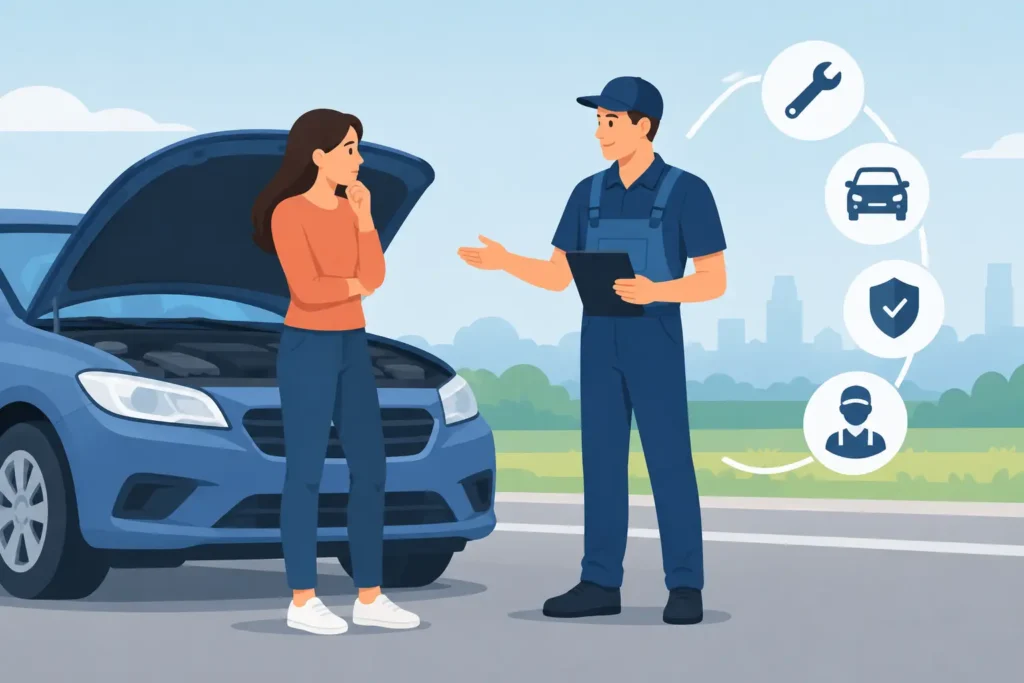
Once you’re safely off the road with no immediate danger, call your roadside assistance provider.
Most providers will try to diagnose the problem over the phone first, then send a technician to fix it on the spot.
They might also arrange a tow if they can’t.
The most common car issues they handle on the spot include:
-
Flat tyres — change or inflate using your spare
-
Dead batteries — jump-start or battery replacement on site
-
Lockouts — getting you back into the vehicle
-
Fuel — an emergency top-up to reach the nearest servo
-
Minor mechanical faults — basic repairs and parts where covered by your plan
For Victorian drivers, the Royal Automobile Club of Victoria (RACV) is the most well-known road assistance provider covering Greater Melbourne and regional Victoria. Another option is the National Roads and Motorists’ Association (NRMA), which operates nationally.
You can also consider private roadside assistance plans available through insurers, car manufacturers, and independent providers.
Many car insurance policies in Victoria include emergency roadside cover. Some new car manufacturers provide it too. It is often tied to regular servicing at an authorised dealer.
So it might be worth taking a quick look at your car insurance policy and saving your roadside assistance provider’s number.
Take note, most roadside assistance plans have a towing distance limit. In metro Melbourne, this is typically calculated from the breakdown location.
If the car needs to travel further than your plan covers, you have to pay the difference or call a towing company directly to manage the whole job.
Is your car affecting traffic flow?
If your car is affecting traffic flow, you can call VicRoads’ Incident Response Service on 13 11 70.
The IRS patrols Melbourne’s freeways, highways, and arterial roads 24/7 and typically responds within five minutes of being alerted.
They’ll tow your car clear to get traffic moving, but they’re only scene managers, not a repair service. Once the scene is clear, you’ll still need to arrange your own tow.
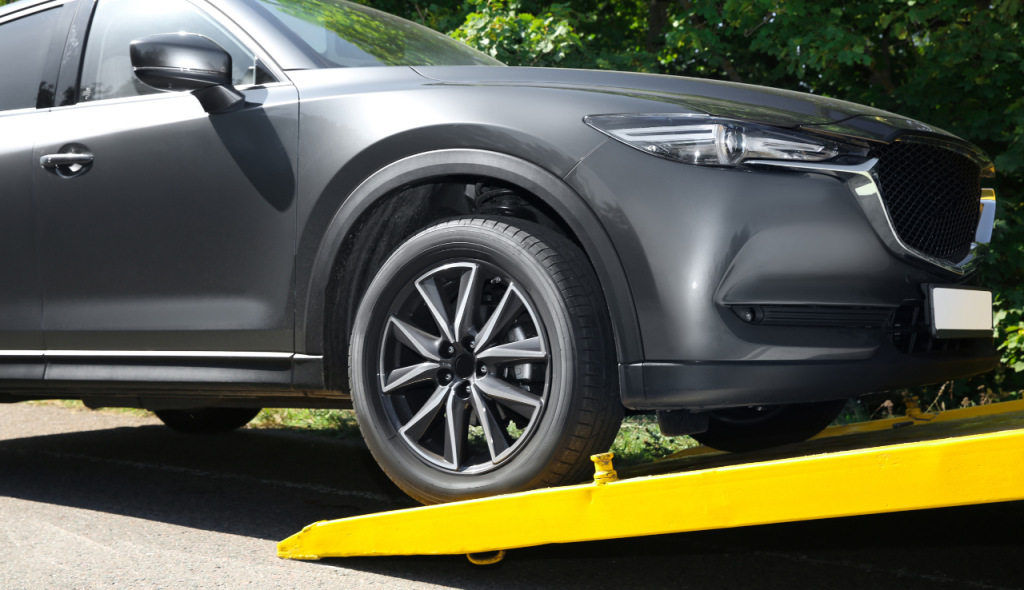
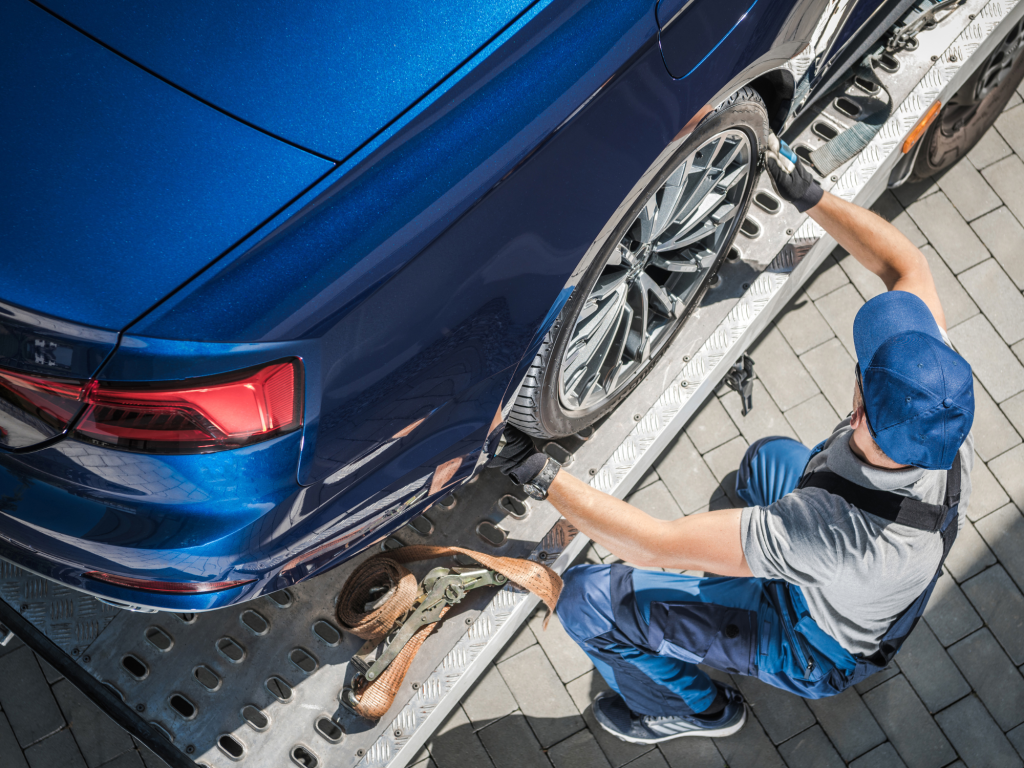
Step 3 — Car Can’t Be Fixed Roadside? Call a Towing Company
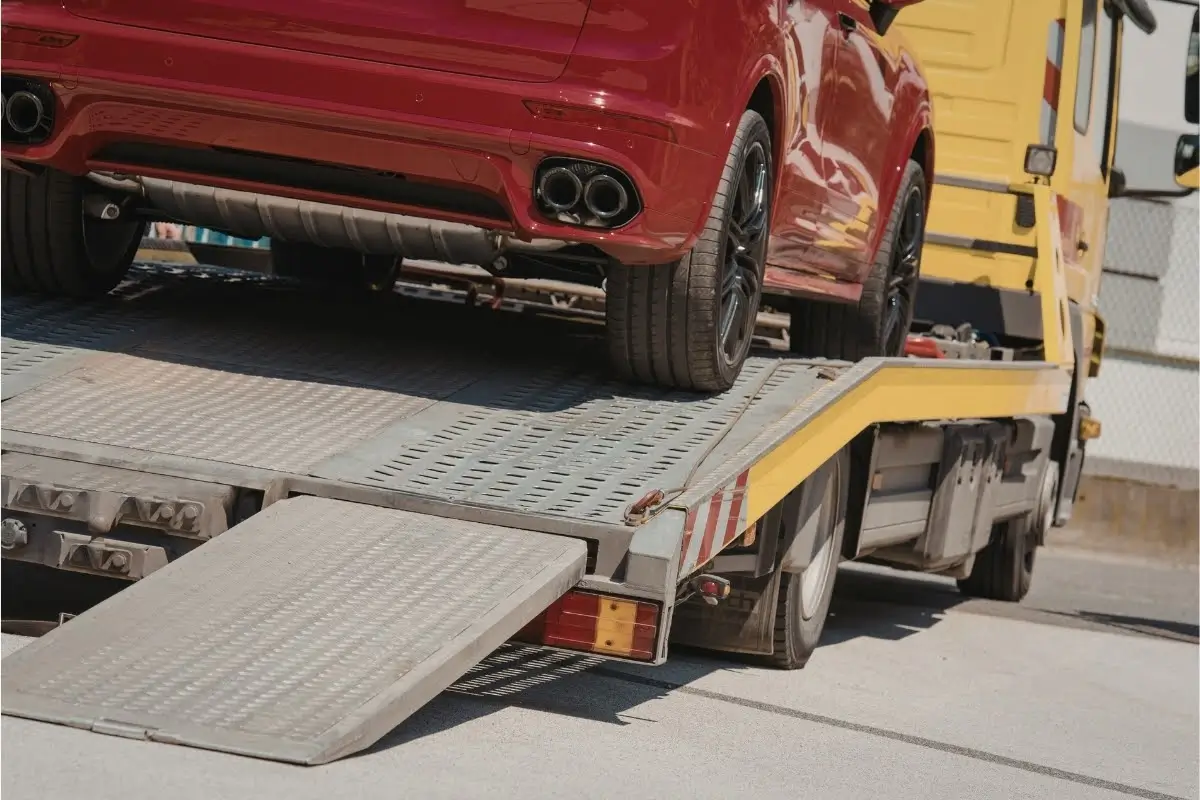
Some breakdowns go past what a technician can fix at the roadside.
Call a towing company directly when:
-
The engine has failed and the car won’t restart after roadside attempts
-
The vehicle has been in an accident and isn’t driveable
-
A roadside technician has attended but the car still can’t be driven safely
-
The car needs to get to a mechanic, panel beater, or dealership
Before you dial, have these ready:
-
Your location — a suburb, road name, or nearby landmark. Open Google Maps and read out your coordinates if you are unsure
-
Your rego plate — plus the make, model, and colour of the vehicle
-
What happened — a short description of the car problem or situation
-
Where you want the car taken — your preferred mechanic, nearest workshop, or closest safe location
A reliable operator will confirm the total cost and destination before the truck moves.
Get that confirmation before the vehicle is loaded.
If you need emergency towing in Melbourne, Onigo Towing is available across Greater Melbourne and surrounding suburbs. We provide upfront pricing, so you’ll know the cost before anyone touches your car. You can reach us at +61413432976.
Breakdown Scenario Quick-Reference Guide
Not sure which of the three applies to you? Use this quick guide.
|
Scenario |
Who to Call First |
Notes |
|
Flat tyre (safe location) |
Roadside assistance |
Most providers can change or inflate on the spot |
|
Engine failure / stalled |
Roadside assistance or towing |
If car can’t be restarted, a tow is likely needed |
|
Accident with injuries |
000 (Police/Ambulance) first |
Only call towing after emergency services clear the scene |
|
Car on fire or gas leak |
000 immediately |
Do not attempt to move vehicle yourself |
|
Breakdown on freeway/highway |
000 or VicRoads, then towing |
Safety risk — move away from the vehicle |
|
Dead battery |
Roadside assistance |
Jump-start or battery replacement on site |
|
Locked out of car |
Roadside assistance |
Many plans cover lockout service |
For a full guide on what to do at the scene of a breakdown, read what to do when your car breaks down.
What to Expect While You Wait
Once help is on the way, you need to stay put and stay visible.
Keep yourself safe:
-
Turn your hazard lights on and leave them running the whole time
-
On high-speed roads, stay inside the car with your seatbelt on
-
On quieter suburban streets where it’s safe to step out, move away from the vehicle and stand behind a barrier if there’s one nearby
-
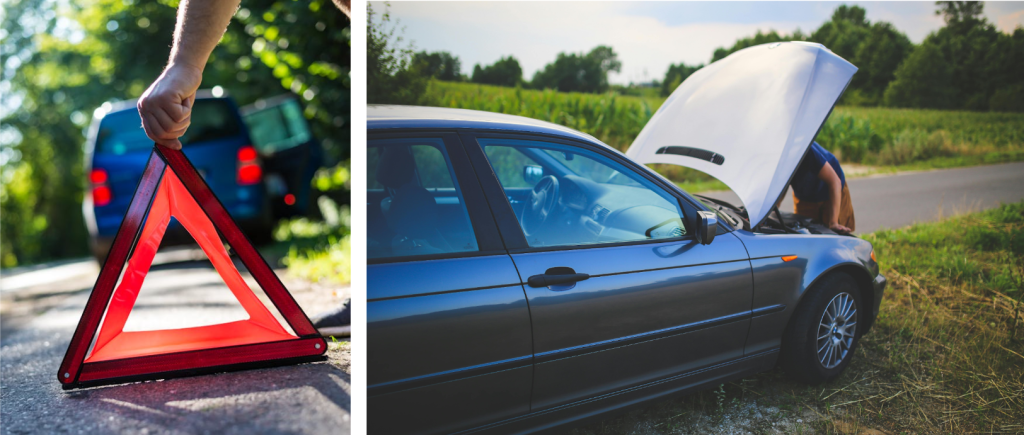
If you have road safety triangles or LED flares in the boot, place them behind the vehicle. On roads with a 100 or 110 km/h speed limit, place them at least 150 to 200 meters behind the car.
-
At night, turn your interior cabin light on in addition to your hazards. If you have a high-visibility vest, put it on before stepping outside
Know your wait time:
Response times vary depending on where you are. In metropolitan Melbourne, towing typically arrives within 30 to 60 minutes.
In outer suburbs such as Cranbourne, Melton, Werribee, or further out toward the Yarra Valley, you may have to wait a bit longer.
Stay contactable:
Keep your phone charged so you can track the ETA and receive updates.
If you move away from the car to find a better signal or a safer spot, leave the hazards running and place something visible on the roof.
Tips for Choosing the Right Towing Company in Melbourne

In Victoria, towing services fall into two distinct categories: accident towing and breakdown towing.
Accident towing is tightly regulated under the Accident Towing Services Act 2007. Operators must be accredited and can only attend accident scenes if they’ve been assigned to the job. This is largely to protect accident victims from operators who exploit the situation by overcharging, towing without consent, or taking vehicles to repairers they have a financial interest in.
On the other hand, breakdown towing or non-accident towing is deregulated. Operators under this category don’t need a specific licence. However, they still must comply with road safety, consumer protection, and occupational health and safety laws.
Given that breakdown towing lacks the same regulation as accident towing, it pays to know what a reliable operator looks like before you’re stuck on the side of the road, making a rushed decision.
Here’s how to tell a reliable car towing operator from one worth avoiding:
What a reliable Melbourne towing company looks like:
-
Upfront pricing — you’re told the total cost before dispatch, not when the truck pulls up
-
24/7 availability — a breakdown at midnight on the West Gate needs the same response as one at midday on Punt Road
-
Clear service area — they confirm coverage before sending a truck, whether you’re in the CBD, the south-eastern suburbs, or the outer west
-
Transparent destination — you decide where the car goes, and the operator confirms it before loading
These are the same standards we at Onigo Towing hold ourselves to for every breakdown job across Greater Melbourne.
We specialise in breakdown towing only, meaning we focus entirely on picking up vehicles that have broken down and getting them to the mechanic or destination of the driver’s choice. Then, we quote every job upfront and confirm the destination before anything is loaded. No improvising, no pressure, no hidden costs on arrival.
Red flags to watch for when choosing a breakdown towing service:
-
Refusing to give a price before arriving
-
Pressuring you into a quick decision
-
Being vague about where the vehicle is being taken
Conclusion: Know the Right Number to Call When Your Car Breaks Down
Here’s a quick recap on the call order when your car breaks down in Melbourne.
-
If anyone is in danger, call 000 first
-
If you’re safely off the road and the problem might be fixable on the spot, call your roadside assistance provider
-
If the car can’t be driven and needs to get to a mechanic or panel beater, call a towing company.
A few things worth doing now, before you ever need them:
-
Check your roadside assistance cover — confirm who your provider is and what your plan includes
-
Check your car insurance policy — emergency roadside cover may already be included
-
Keep a portable power bank in the glovebox so your phone stays charged when it matters most
-
Save a trusted towing number in your contacts
If you ever find yourself stranded on the road, Onigo Towing is ready to help. Call us at +61413432976 for fast, reliable towing across Greater Melbourne.
We are available to help and provide clear, upfront pricing so you know exactly what to expect when help arrives.