A performance car can turn a simple breakdown into a high-stress situation very quickly. Low bumpers, wide tyres, sensitive drivetrains and expensive bodywork leave little room for shortcuts. This guide to towing performance cars explains what safe transport should look like when your vehicle will not start, has a warning light, has overheated or cannot be driven without risk.
For most performance vehicles, the safest answer is not to try to drive it home or improvise a tow. Arrange a properly equipped flatbed, tell the dispatcher exactly what you drive and make sure the operator understands the vehicle’s clearance, drivetrain and condition before they arrive.
Why performance cars need a different towing approach
A standard sedan with generous ride height can tolerate loading methods that would be unsuitable for a lowered sports car. Performance vehicles may have a low front splitter, side skirts, carbon-fibre trim, large alloy wheels and minimal clearance beneath the bumper. Even a shallow change in ramp angle can cause contact.
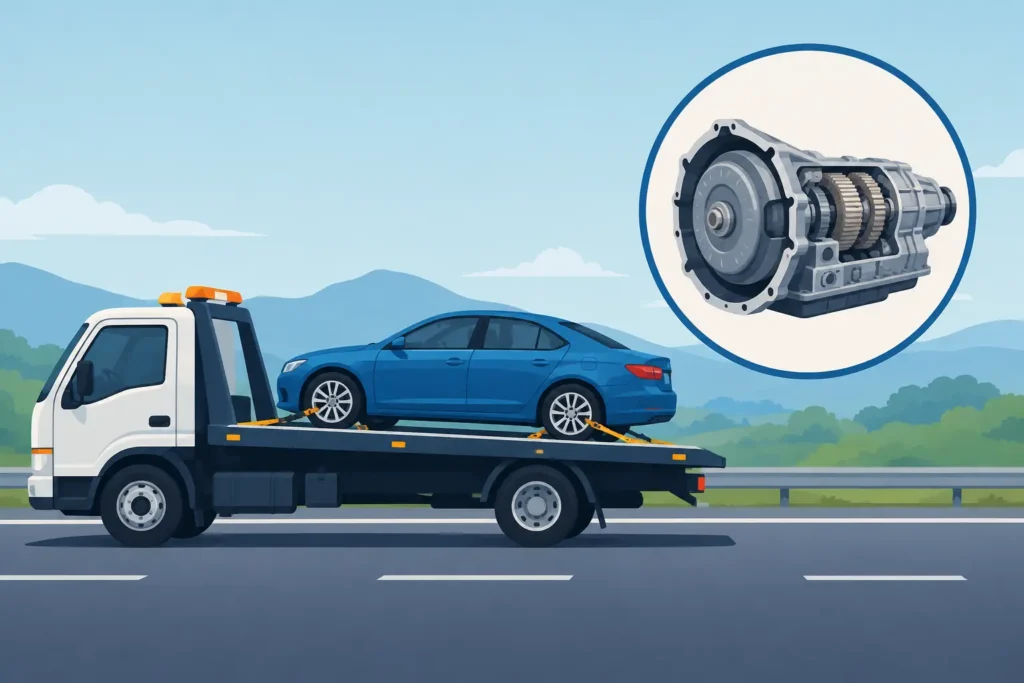
There is also the mechanical side. Many modern performance cars use all-wheel drive, dual-clutch gearboxes, electronically controlled differentials, adaptive suspension and electronic parking brakes. Towing with the driven wheels on the road can damage components if the vehicle is not placed in the correct transport mode or if its wheels are allowed to rotate when they should not.
The make and model matter, but so does the reason for the breakdown. A car with a flat battery may roll and steer normally. A car with a locked electronic handbrake, damaged suspension, seized wheel or gearbox fault needs a different loading plan. Clear information at the start helps avoid rushed decisions at the roadside.
The preferred method for towing performance cars
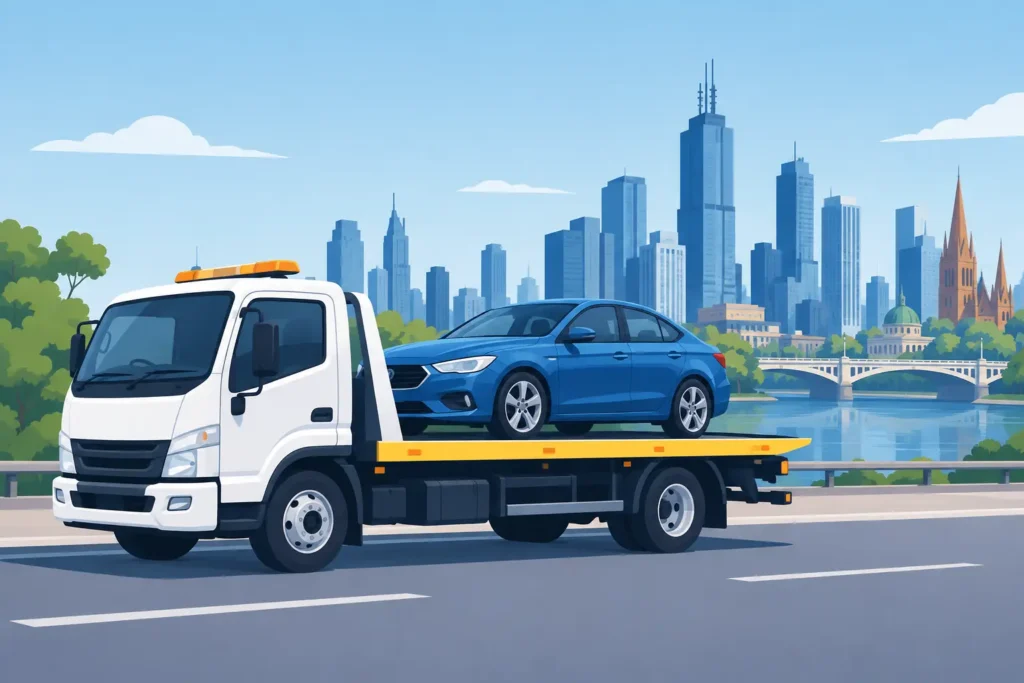
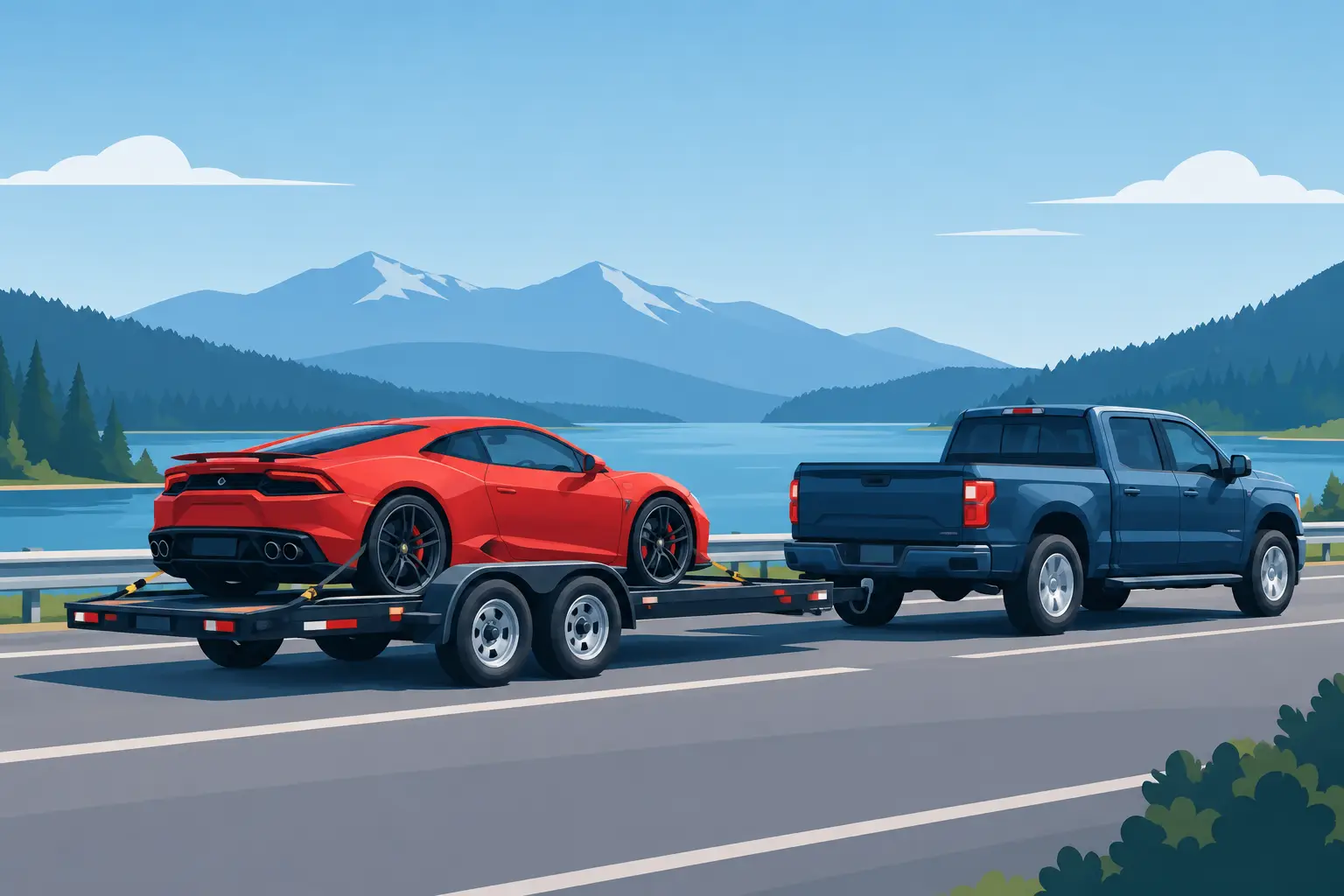
For a non-drivable performance car, a modern flatbed truck is generally the preferred option. The vehicle is carried with all four wheels off the road, reducing drivetrain concerns and giving the operator more control during loading and unloading.
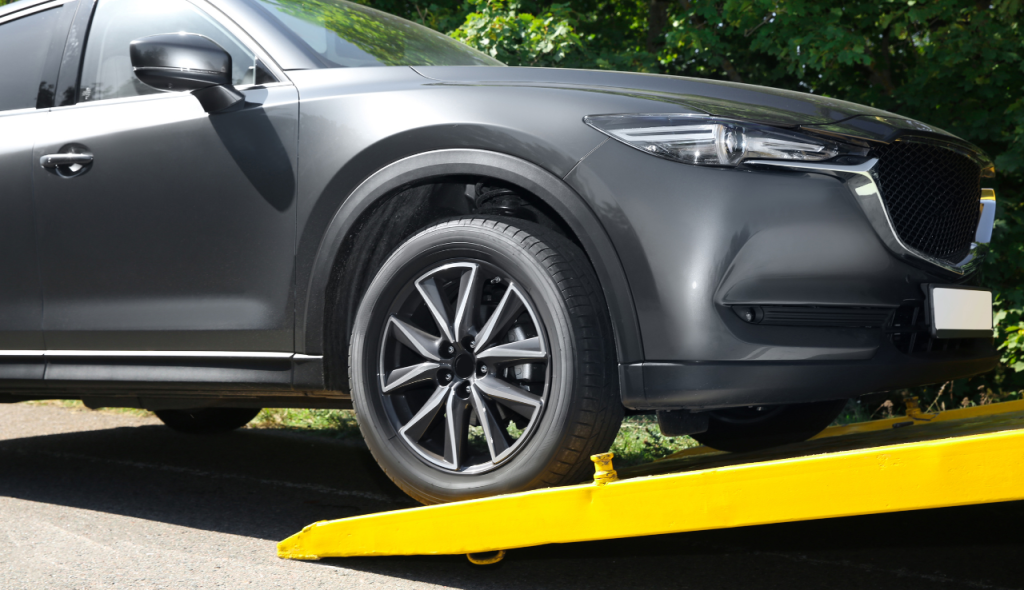
Safe loading is about more than simply winching the car onto a tray. The operator should assess approach angle, ground clearance, tyre condition and whether the car can be shifted into neutral. Low-angle ramps, ramp extensions or loading aids may be needed to prevent the front bumper or underbody from scraping.
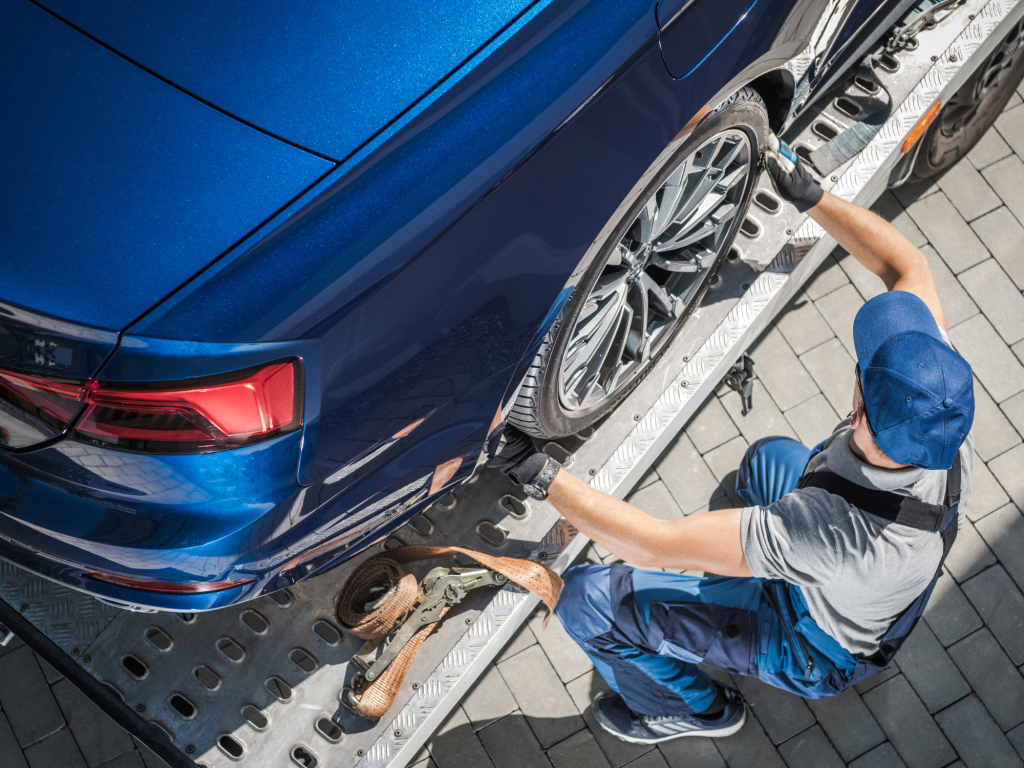
Once on the tray, the car should be secured using tyre restraints or wheel straps where appropriate. These hold the vehicle by the wheels rather than placing pressure on suspension arms, body panels or aerodynamic parts. The straps should be checked for correct positioning and tension before the truck moves.
A careful operator also considers where the vehicle will be unloaded. A steep driveway, uneven nature strip or tight workshop entry can create the same clearance problem at the destination. If you know the car sits very low, mention it before dispatch and again when the driver arrives.
Why a tow rope is usually the wrong choice
A tow rope may seem like the quickest option when a car will not start, but it is rarely appropriate for a performance vehicle on Melbourne roads. It gives the following driver limited control, requires the disabled car to brake and steer reliably, and can place strain on towing points, bumpers or drivetrain components.
It is particularly unsuitable where there is a transmission fault, steering issue, brake problem, locked wheel or uncertainty about the car’s driveline. Even for a short distance, a flatbed is the more controlled option when protecting a high-value vehicle.
What to tell the towing company before they dispatch
The right truck and equipment can be arranged faster when the operator has the key details from the first call. Start with the vehicle make, model and year, then explain whether it is lowered, modified or fitted with a front splitter. Let them know if it is an EV, hybrid, all-wheel drive, rear-wheel drive or front-wheel drive.
Be specific about the fault. Say whether the engine will not start, the battery is flat, the vehicle overheated, a tyre has failed, a warning light has appeared, or the car has been involved in a mechanical failure. If the wheels are locked, the steering is locked, the electronic handbrake is stuck on or the car cannot be selected into neutral, say so clearly.
It also helps to give an accurate location. Tell dispatch whether you are on a busy road, in a car park, underground, on a narrow street, behind a gated apartment building or parked on an incline. A performance car in a low-clearance underground car park may require a different approach from a vehicle safely parked on the kerb.
Before accepting a booking, ask for the price and estimated arrival time. You should understand where the vehicle is going, whether there are access issues at the destination and what is included in the quoted transport. Clear communication before dispatch is part of careful service, not an extra.
Protecting the car while you wait
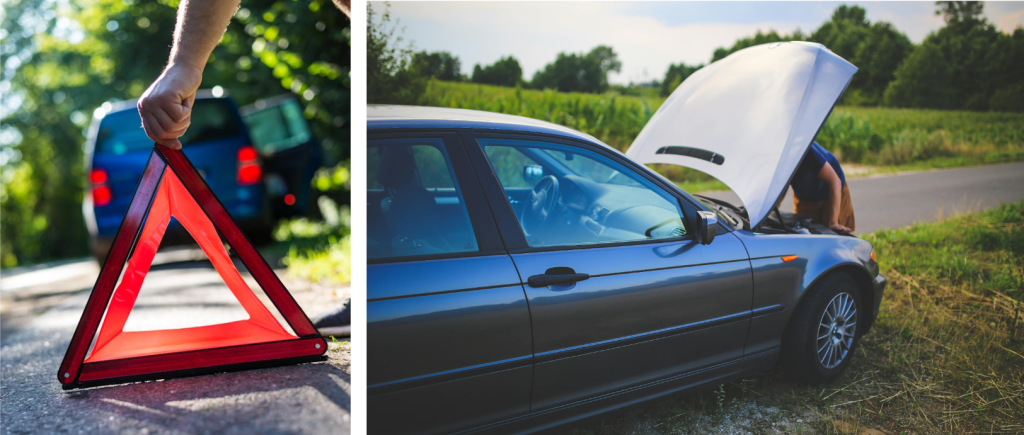
Your first priority is personal safety. If the car has stopped in a live lane, move yourself and passengers to a safe position away from traffic where possible. Turn on hazard lights and follow any direction from emergency services or road authorities. Do not stand between the vehicle and passing traffic, and do not attempt roadside repairs where it is unsafe.
If the car is parked safely, take a few clear photos of its condition before loading. Photograph the front bumper, wheels, side skirts and any existing marks. This is not about assuming the worst. It is a simple record that gives everyone clarity.
Keep the key or key fob accessible, along with any wheel-lock key if your car has locking wheel nuts. Remove loose valuables from the cabin and boot if practical. If the vehicle has a special towing eye, check the handbook for its location but do not fit it unless the operator asks you to. Incorrectly fitted towing eyes or attachment points can cause damage.
Avoid repeatedly trying to start a car with a suspected engine, electrical or overheating problem. A flat battery may be straightforward, but continuing to crank a vehicle with an unknown fault can create further issues. If the temperature warning is on or steam is visible, do not open the cooling system while it is hot.
Clearance, modifications and transport mode
Modified performance cars need extra attention because factory specifications may no longer apply. Lowered suspension, aftermarket splitters, air suspension, wider wheels and altered exhaust systems can all affect how the vehicle loads onto a tray.
If the car has air suspension, check whether the manufacturer recommends a transport or jack mode. Some vehicles can self-level or change height unexpectedly if not set correctly. The operator may ask you to place the vehicle in neutral, release the parking brake or activate a towing mode. Follow the manufacturer’s instructions where available, especially for newer European vehicles, EVs and hybrids.
Do not assume that a vehicle in neutral can be safely towed with wheels on the road. Neutral does not remove every risk for all-wheel-drive systems, dual-clutch transmissions or electric motors. The towing method should suit the manufacturer guidance and the actual fault, not just whether the gear selector appears to move.
Cars with very low front ends may need gradual loading with extended ramps or carefully positioned loading aids. The aim is to reduce the breakover angle so the underside does not contact the tray. This takes a little longer than a rushed load, but it is time well spent.
Choosing the right destination after a breakdown
The nearest workshop is not always the best destination. If your car is under warranty, needs specialist diagnostics or requires brand-specific parts, it may be worth transporting it directly to the mechanic who can properly assess it. For an after-hours breakdown, you may prefer to have it taken home first, provided access is suitable for unloading.
Confirm the workshop’s address, opening hours and after-hours drop-off procedure before the truck leaves. Ask whether there is a key drop, where the car should be parked and whether the site can accept a flatbed. This prevents the vehicle being left in an unsuitable spot or needing a second move.
For long-distance transport, make sure the quote reflects the full destination and any access constraints. Performance cars often require the same careful loading and restraint process whether the trip is across Melbourne or heading interstate.
A calm process makes a real difference
A breakdown does not mean your performance car has to be handled roughly. The right response is measured: keep yourself safe, provide accurate details, use a flatbed where appropriate and choose an operator who is prepared to load the vehicle carefully.
Onigo Towing provides breakdown-focused towing across Greater Melbourne and can discuss your vehicle, location and destination before dispatch. When the car matters to you, careful transport should be part of the plan from the first phone call.