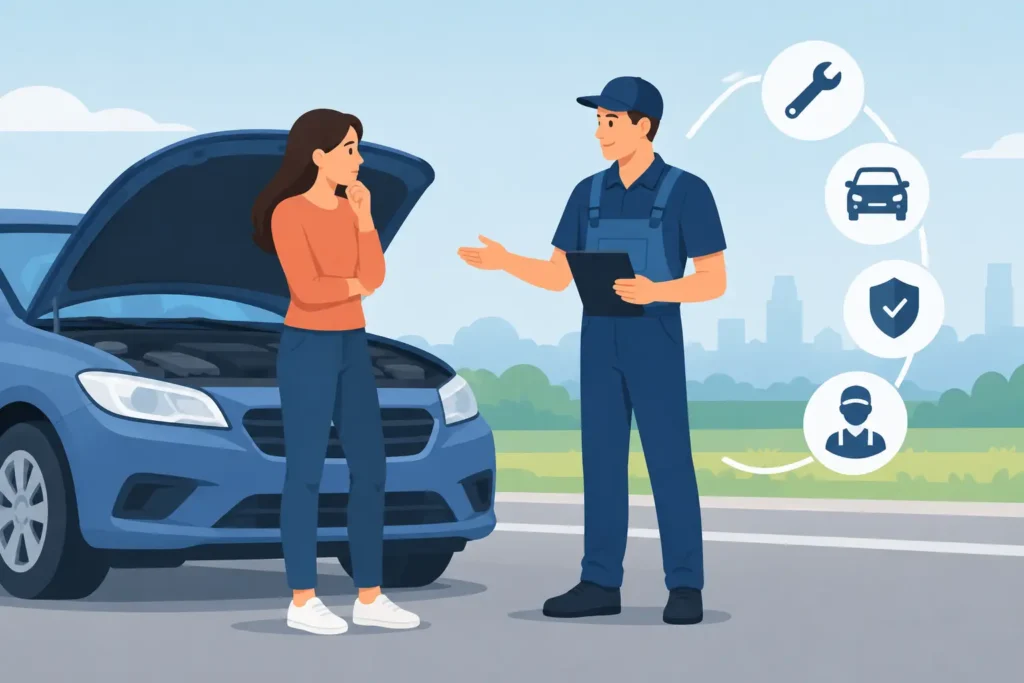

A breakdown is stressful enough without wondering what the tow truck will cost after your vehicle is already loaded. Upfront towing pricing explained simply means you receive a clear price before dispatch, based on the information available about your vehicle, location and destination. You can then decide whether to go ahead with confidence, rather than being surprised by unclear charges at the end.
For Melbourne drivers, a fair towing quote should be practical and easy to understand. It should reflect the actual job – not a vague starting figure that changes once help arrives. The key is providing accurate details early and asking the right questions before the truck is sent.
What an upfront towing price should cover
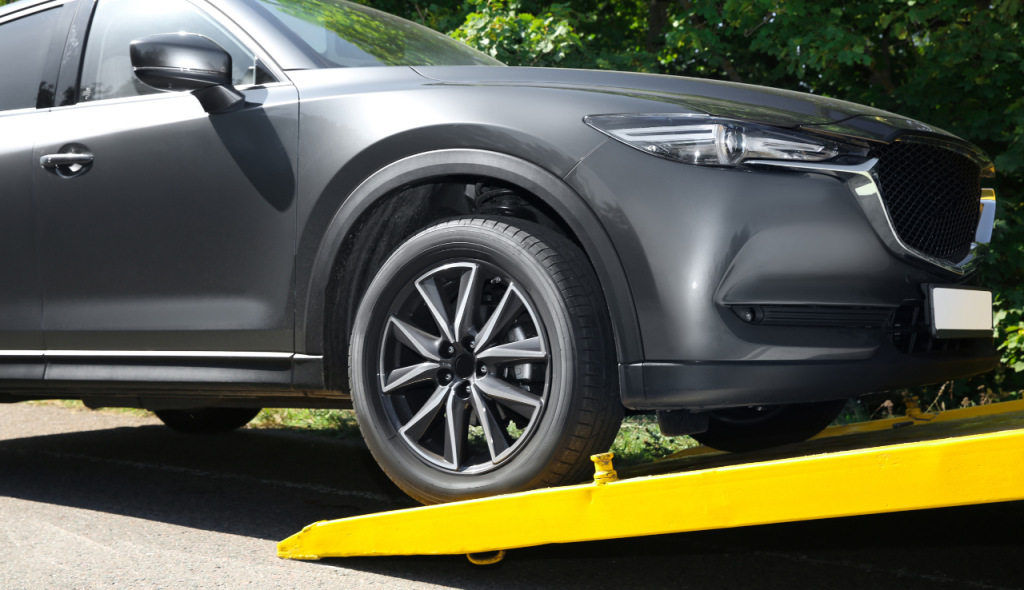
A proper quote starts with the basics: where your vehicle is, where it needs to go, and what type of vehicle requires towing. For a standard car that has broken down and can be safely loaded onto a flatbed, the price may be straightforward. A motorcycle, EV, lowered performance car, van, ute or light truck may need different equipment, loading methods or a larger truck, which can affect the quote.
The distance between pickup and drop-off is usually one of the main factors. A short tow from a suburban street to a nearby mechanic is different from moving a vehicle across Melbourne, to a regional workshop, or interstate. Travel time, fuel, tolls where applicable and the driver’s return journey can all be relevant on longer jobs.
An upfront price should also account for the service required. A simple non-start at home is often easier to manage than a vehicle stopped on a busy roadside, inside a tight car park, or in an unsafe position. If the vehicle has a flat tyre, locked steering, damaged wheel, missing keys or cannot be rolled freely, safe loading may take extra time and equipment.
That does not mean every difficult-looking job should attract unexpected fees. It means the towing provider needs the full picture before quoting. Clear information gives the dispatcher the best chance of sending the right truck, with the right gear, at the agreed price.
Upfront towing pricing explained: what changes the quote?
Towing is not a one-size-fits-all service. Two cars may be travelling the same distance, but the work involved can be very different. The most common price factors are the pickup location, towing distance, vehicle type, vehicle condition, time of day and access at either end of the job.
Location and access
A car parked safely in a driveway is usually simple to collect. A car on the shoulder of a major road, in a basement with height limits, behind a locked gate, or on a narrow inner-suburban street can take more planning. Safety always comes first. Traffic conditions, safe stopping space and access for a flatbed all matter.
Melbourne’s peak traffic can also affect how quickly a truck can reach you, particularly on major roads and during bad weather. A reliable operator should give you a realistic ETA rather than promising an arrival time they cannot meet.
Vehicle type and condition
A vehicle that rolls, steers and has accessible wheels can normally be loaded efficiently. If it is immobilised, has a seized wheel, is in park with an electronic fault, or has steering locked, the driver may need skates, winching equipment or a different loading approach.
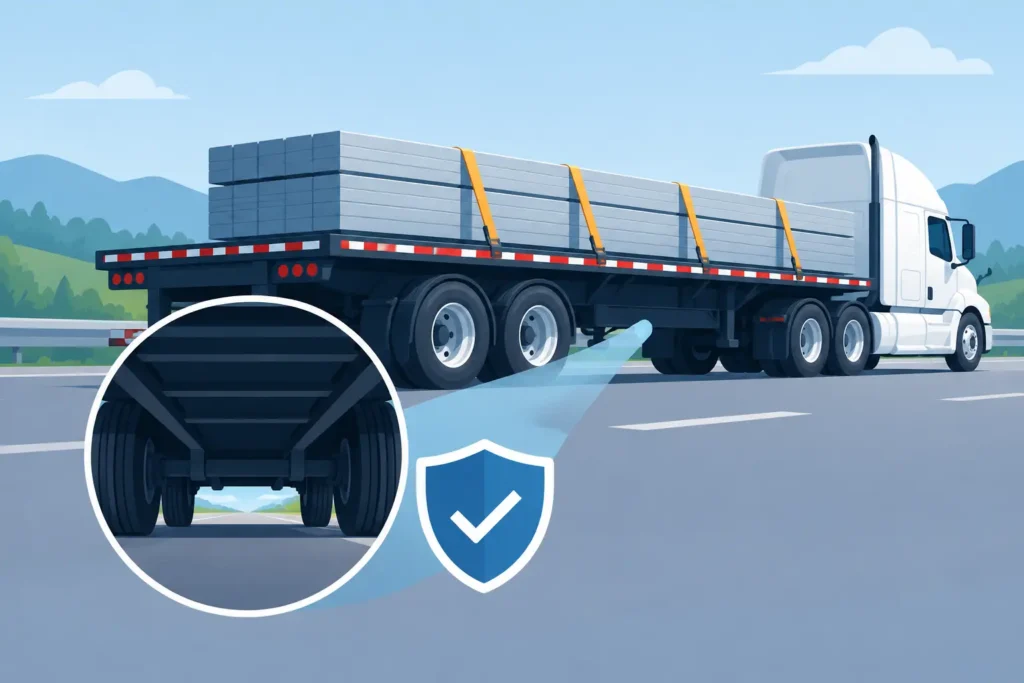
EVs and hybrids deserve particular care. Their weight, ground clearance, drivetrain requirements and manufacturer handling guidance may mean flatbed transport is the safest option. The same applies to motorcycles, lowered cars and specialty vehicles, where poor tie-down methods or rushed loading can cause avoidable damage.
Distance and destination
The quote should identify the intended drop-off point, whether that is your home, a mechanic, dealership, tyre shop or storage location. If you change the destination after the truck has arrived, the final price may need to change because the distance and time have changed.
For long-distance or interstate towing, the provider may also need to consider collection timing, route planning, overnight arrangements and delivery access. These jobs should be quoted carefully rather than treated like a standard local tow.
After-hours and urgent conditions
Breakdowns do not wait for business hours. A 24/7 towing service may have different costs overnight, on public holidays or when a rapid response is required. That is not automatically unreasonable, provided it is explained before dispatch.
The important point is transparency. You should know whether the price quoted includes the after-hours component and any known tolls or special access requirements.
How to get an accurate towing quote quickly
When you are stranded, keep the call simple and factual. Start with your exact location. If you are near an intersection, tell the dispatcher the nearest cross street, landmark or direction of travel. If you are on a freeway or major arterial road, provide the road name, the suburb or exit you passed, and which side of the road you are on if you can do so safely.
Then describe the vehicle: make, model, registration, type and condition. Mention anything that could affect loading, such as a flat tyre, very low clearance, keys unavailable, wheels locked, an underground car park, or a motorcycle that cannot be moved. Finally, confirm the destination and whether it will be open when you arrive.
Photos can help where access or vehicle condition is unusual, but do not put yourself at risk to take them. If your car is in a dangerous roadside position, move to a safe place where possible and follow emergency instructions. Your safety matters more than a perfect description.
Questions worth asking before you approve the tow
You do not need to interrogate the dispatcher. A few direct questions can remove uncertainty: is this the total price for the stated pickup and destination; does it include GST; are there any expected extras; what is the estimated arrival time; and can the vehicle be transported on a flatbed if required?
Also ask what could change the price. A professional answer may be that the quote remains valid unless the information supplied is materially different – for example, the vehicle is not where stated, cannot be accessed, or needs recovery work rather than normal breakdown towing. That is reasonable, as long as the driver explains the issue before additional work begins.
Be cautious with a very low quote that does not clearly state what it includes. A cheap figure can be a call-out price only, rather than the cost of the actual tow. If the answer is unclear, ask for the full amount for your specific job before authorising dispatch.
Why clear pricing protects both the driver and the towing provider
Upfront pricing is not just about avoiding an unpleasant bill. It helps the towing team prepare properly. When the dispatcher knows the vehicle type, condition and access requirements, they can send suitable equipment and reduce the chance of delays, re-dispatches or unsafe loading decisions.
For the driver, it creates a clear agreement before the truck is on its way. You know what service has been arranged, where the vehicle is going and what you are expected to pay. This is especially valuable when you are dealing with a failed battery, a non-start, overheating, a mechanical fault or an unexpected breakdown far from your usual mechanic.
At Onigo Towing, the focus is breakdown transport with clear communication before dispatch. That means asking the practical questions early, providing a realistic ETA, and handling the vehicle carefully from collection to drop-off.
A fair quote starts with a clear conversation
The fastest way to avoid towing price surprises is to give an honest description of the job and expect the same in return. Confirm the pickup point, vehicle condition, destination, total quoted price and expected arrival time before you approve the tow.
If something changes at the roadside, tell the towing provider straight away. A quick update can ensure the right equipment arrives and keep your vehicle moving safely towards the place it needs to be.