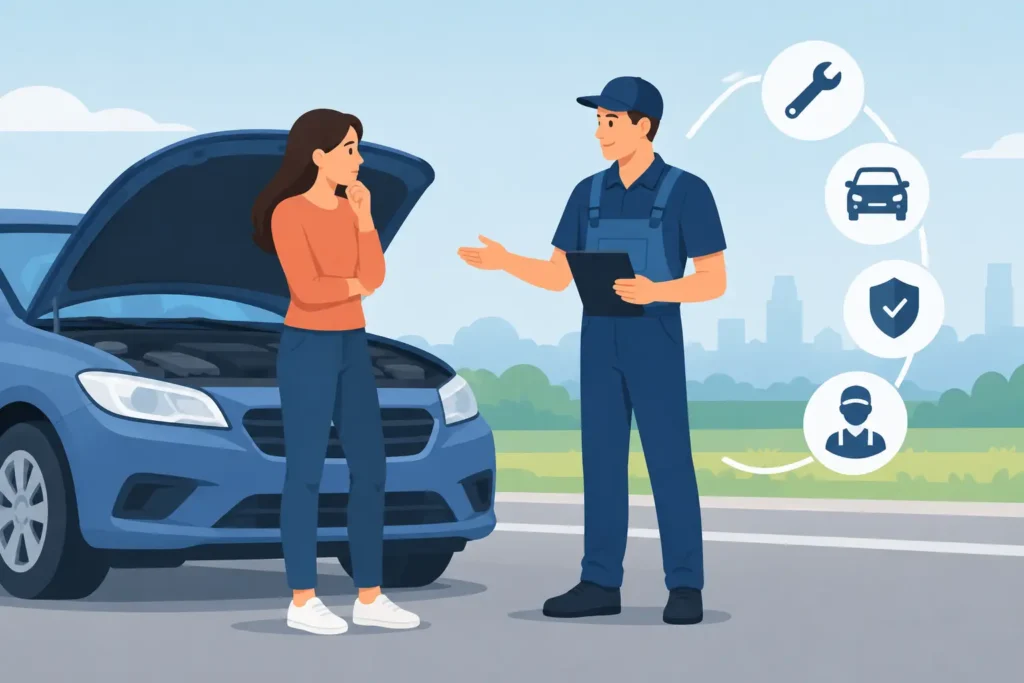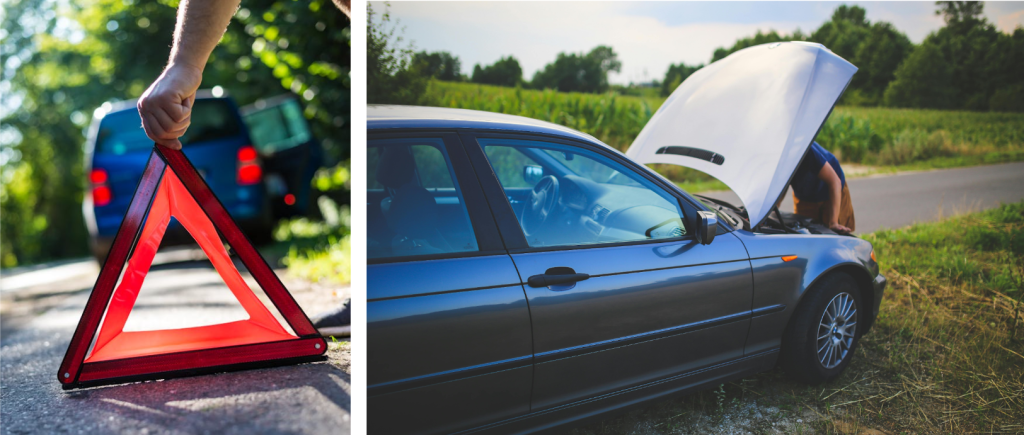
You turn the key or press the start button, and nothing happens – or worse, it tries to turn over and gives up. When you need towing because your car won’t start, the main thing is not wasting time on guesses that leave you stranded longer or put your vehicle at risk.
A non-start can come from something simple, like a flat battery, or something deeper, like a starter motor fault, fuel issue, immobiliser problem, or electrical failure. At the roadside, the priority is not full diagnosis. It is staying safe, ruling out the obvious, and deciding whether the car can be restarted quickly or whether it needs a professional tow to a mechanic, your home, or another safe location.
When a car won’t start, towing is often the safest option
A lot of drivers lose time trying the same thing over and over. If the car does not respond after a few sensible checks, continuing to crank it can flatten the battery further, stress electrical components, or leave you stuck in a worse spot.
That matters even more if you are parked in traffic, in an underground car park, on a narrow suburban street, or late at night. In those situations, a prompt tow is often the safer and more cost-effective option than chasing a roadside fix that may not happen.
There is also the question of how the vehicle should be moved. Modern vehicles, EVs, hybrids, lowered cars, performance models, and many automatic transmissions are not ideal candidates for casual towing methods. The wrong equipment or loading angle can create more problems than the original breakdown.
Quick checks before calling for towing when your car won’t start
If you are in a safe place, there are a few checks worth making before you book a tow. Keep them simple. This is about avoiding an unnecessary call-out, not turning the roadside into a workshop.
First, check the basics. Is the car actually in Park or Neutral? Is the brake pedal fully depressed if it is a push-button start? Have you left headlights or interior lights on? If the steering wheel is locked, gently move it while trying to start the car.
Next, watch what the vehicle does. If you hear a rapid clicking sound, the battery may be too flat to start the engine. If the dashboard lights are dim or dead, that points in the same direction. If all the lights come on normally but the engine will not crank, the issue may be with the starter motor, ignition system, or immobiliser.
If you have jumper leads or a battery pack and know how to use them safely, a jump-start may be worth trying once. If it works, do not assume the problem is solved. A battery that has gone flat without a clear reason may be old, failing, or not charging properly.
If the vehicle starts and then immediately stalls, or if warning lights stay on, it is smart to stop there. Driving a car that barely starts can turn a minor fault into a breakdown in a harder-to-reach location.
Signs you should stop troubleshooting and call a tow truck
Some breakdowns are straightforward. Others are the sort that keep drivers stuck for an hour when the better move would have been calling earlier.
You should stop troubleshooting if the engine will not crank after a jump-start attempt, if there is a burning smell, if you hear grinding or harsh clicking, or if the dashboard is showing multiple fault messages. The same applies if the car starts but runs roughly, stalls repeatedly, or shows signs of overheating.
Fuel-related mistakes also come into it. Putting the wrong fuel in the tank is not something to test your luck with. If that has happened, do not start the vehicle again. Arrange towing instead.
The same goes for EVs and hybrids. These vehicles need the right handling and loading process, and they should not be treated like older petrol cars. If an EV will not power up or shows a drivetrain or battery fault, specialist transport is the safer call.
Why proper breakdown towing matters
Not all towing jobs are the same. A car that won’t start in a driveway is different from a van stuck at a job site, a motorcycle with an electrical failure, or a lowered vehicle that needs careful loading without scraping the front bar.
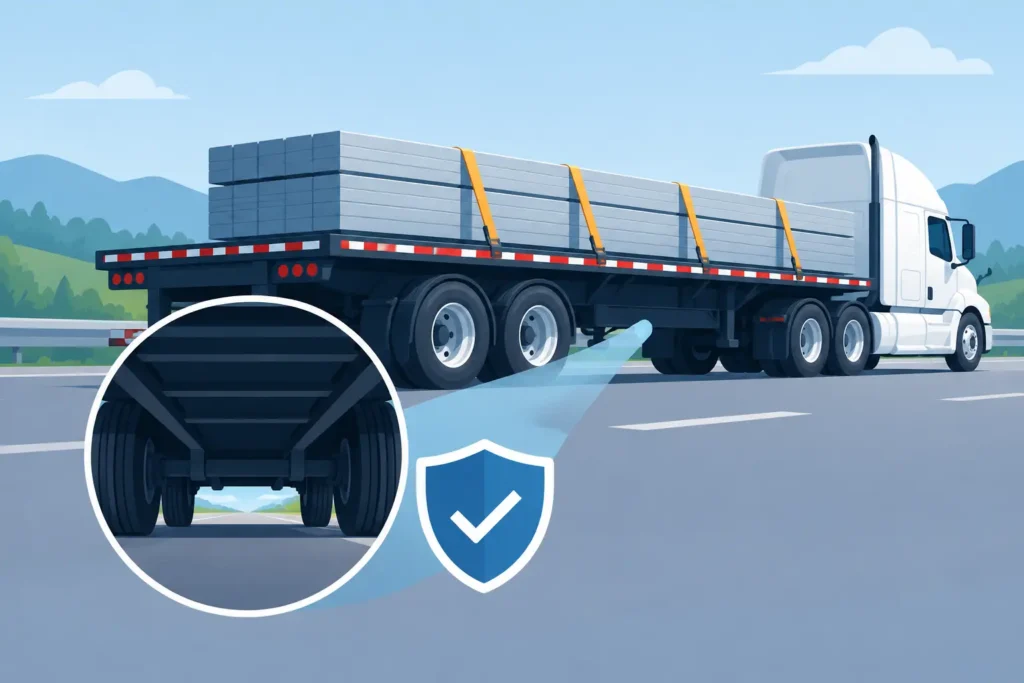
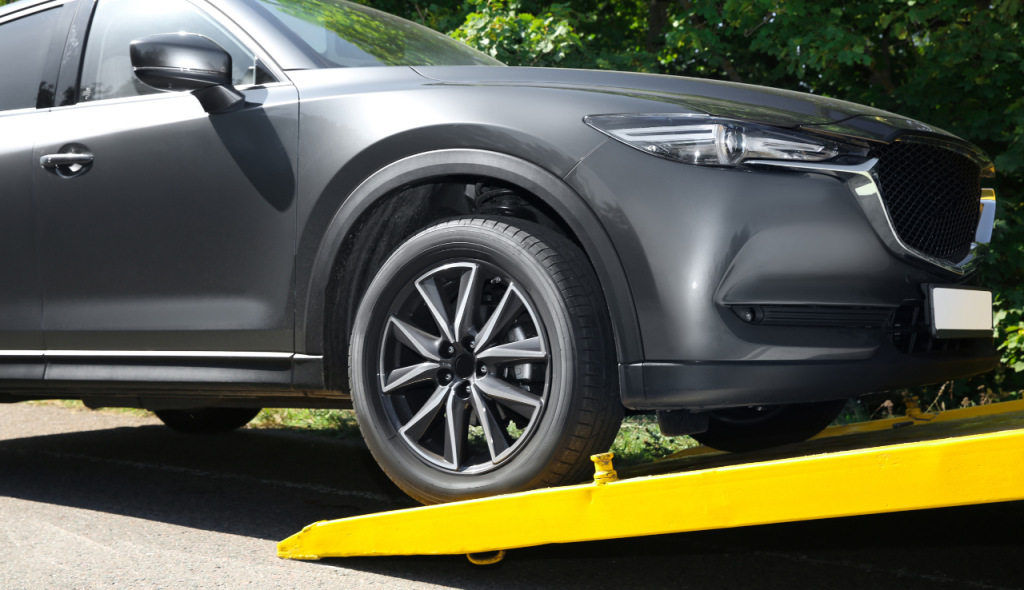
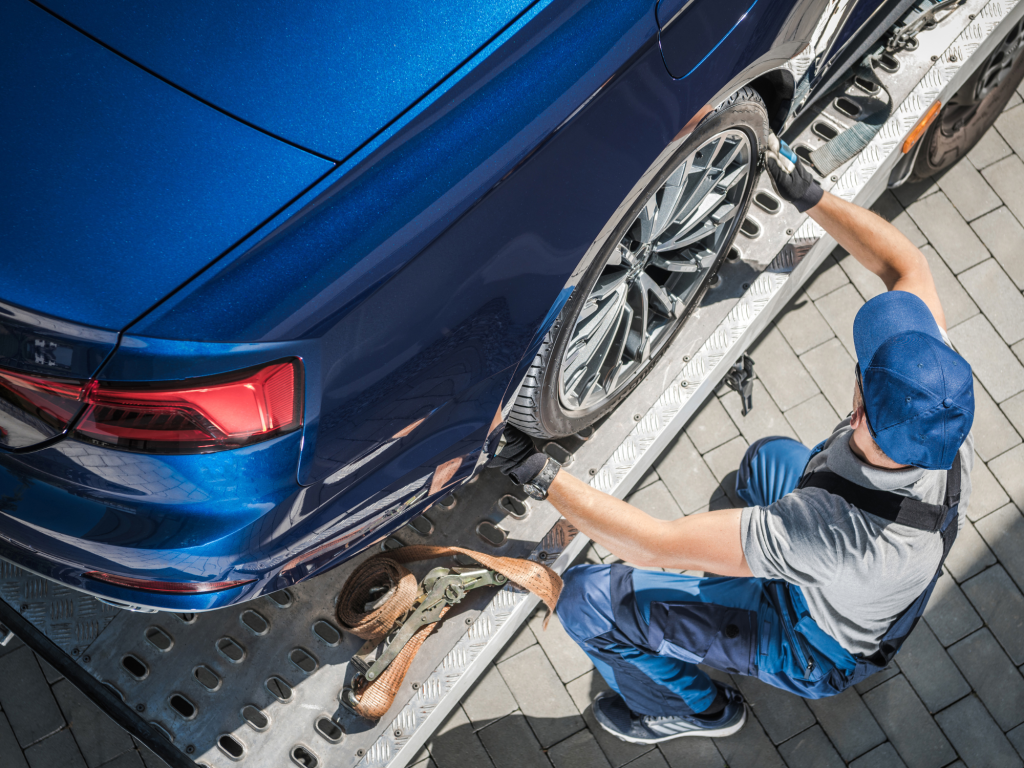
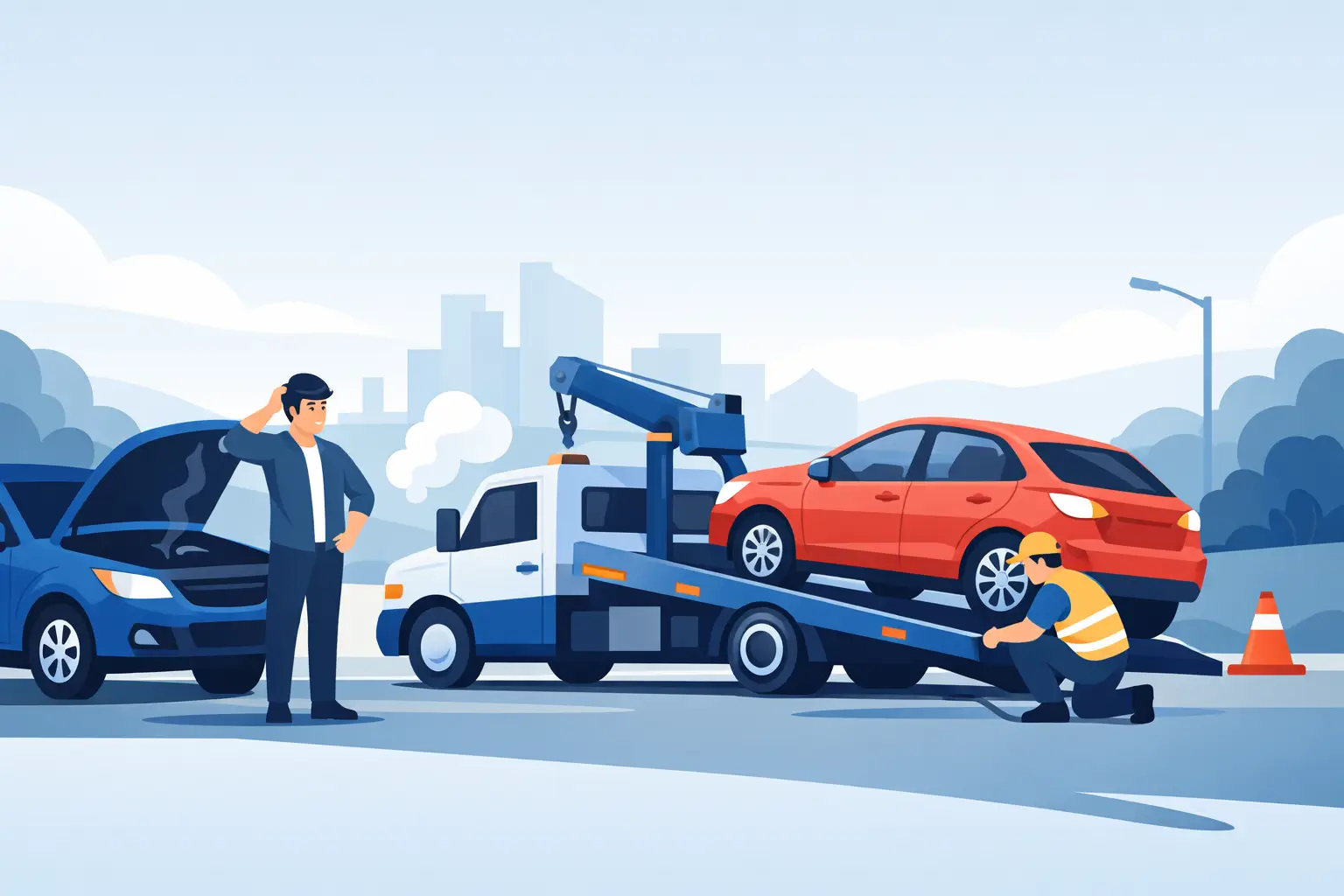
Breakdown towing needs the right setup from the start. Flatbed towing is usually the safest method because it keeps the vehicle fully off the road and reduces the risk of transmission or tyre damage during transport. It also gives more control when loading non-start vehicles that cannot be driven onto the truck.
Careful loading matters just as much as speed. If a vehicle will not move under its own power, it may need to be winched. That needs proper alignment, safe tie-down points, and enough clearance to protect bumpers, wheels, and underbody components.
For higher-value cars, EVs, hybrids, and specialty vehicles, this is where experience really counts. The cheapest or closest option is not always the safest one if the operator is not focused on breakdown work.
What to tell a towing company when your car won’t start
Good dispatch starts with clear information. The more accurate your details, the easier it is to get the right truck, the right equipment, and a realistic ETA.
Start with your exact location and whether you are in a safe position. Then explain what the car is doing. Saying “it won’t start” is useful, but saying “dash lights come on, engine clicks once, then nothing” is better. Mention whether the vehicle is in a car park, on a busy road, in a basement, or blocked in by other cars.
You should also tell them the vehicle type and anything unusual about it. That includes low clearance, oversized tyres, all-wheel drive, EV or hybrid status, or mechanical damage that affects rolling or steering. If you know where you want the vehicle taken, have that address ready as well.
A professional towing service should be able to give you clear pricing before dispatch or explain exactly how the quote is worked out. That matters when you are already dealing with the stress of a breakdown.
Where should the car be towed?
That depends on the fault, the time of day, and what will genuinely make life easier for you.
If your mechanic is open and ready to receive the car, towing straight there often makes sense. If it is after hours, you may prefer the vehicle taken home so you can organise repairs the next day. For work vehicles, such as vans and utes, getting it to a trusted workshop quickly may be the priority because downtime costs money.
There is no single right answer. The best destination is usually the one that avoids unnecessary extra moves. Every additional transport step adds time, cost, and another handling event for the vehicle.
The cost question – and why the cheapest quote is not always the best one
When your car will not start, price matters. But so do response time, equipment, and how your vehicle is handled.
A lower quote may not include the full distance, after-hours conditions, difficult access, or the care needed for a non-start vehicle. If the operator is vague about timing or cannot explain how the car will be loaded, that is worth paying attention to.
The better option is usually the service that gives clear pricing upfront, communicates properly, and knows how to handle breakdown towing without guesswork. In Melbourne, where access issues, apartment basements, heavy traffic, and tight suburban streets are all common, experience makes a real difference.
What to do while you wait
Once the tow is booked, focus on safety. If you are on the roadside, move yourself and passengers well clear of traffic if it is safe to do so. Turn on hazard lights. If it is dark, keep your mobile handy and stay visible without standing near moving vehicles.
If you are waiting in a car park or outside home, make sure the vehicle is accessible and any keys or parking instructions are ready. If the car has electronic handbrake issues, a flat battery, or is locked in a way that may affect loading, mention that before the truck arrives.
Most importantly, do not keep retrying the ignition every few minutes. Once you have decided the vehicle needs towing, repeated start attempts usually do more harm than good.
A breakdown is frustrating, but it does not have to become a bigger problem. If your car will not start, a calm assessment, a clear call, and the right towing response can get the vehicle moved safely and get your day back under control. For Melbourne drivers, that peace of mind matters as much as the tow itself.